GREEK CRISIS 2009-2018
Context
A prolonged period of economic, social, and political turmoil triggered by years of fiscal mismanagement, structural weaknesses, and the global financial crisis. In 2009 Greece revealed a much higher-than-reported deficit, losing access to financial markets and entering a cycle of bailouts from the EU and IMF, tied to strict austerity measures. The crisis led to deep recession, skyrocketing unemployment, severe cuts to wages and pensions, and widespread social unrest. Politically, it reshaped the landscape, with traditional parties collapsing in influence and new forces, most notably SYRIZA, rising to power. The crisis tested the resilience of the eurozone, exposed flaws in EU economic governance, and left Greece with long-term debt obligations, a weakened middle class, and ongoing debates over sovereignty and solidarity in Europe.
2008 financial crisis → Euro area crisis → Greek government-debt crisis → Greek government-debt crisis countermeasures → Anti-austerity movement in Greece → Grexit speculation → 2015 Greek bailout referendum → Greek crisis timeline
Videos
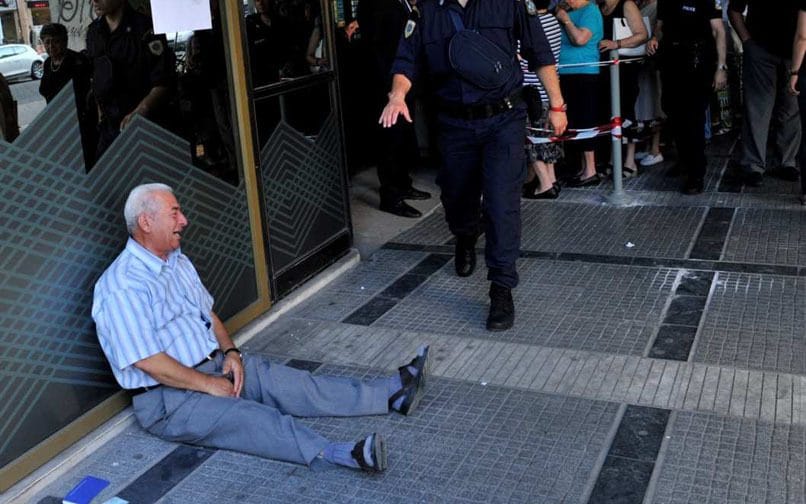
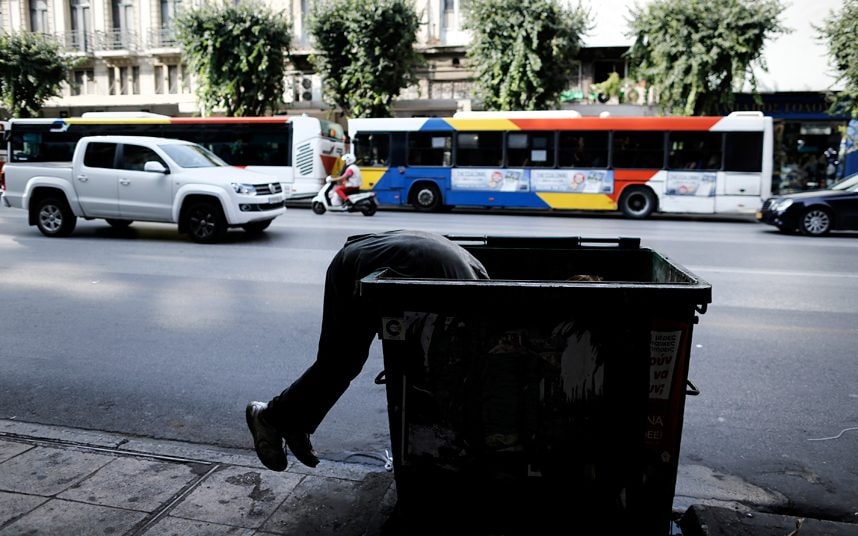
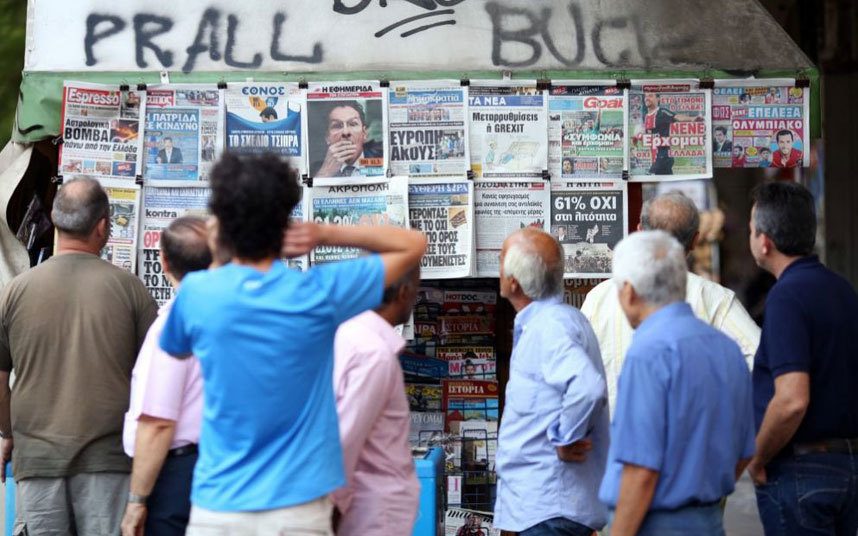
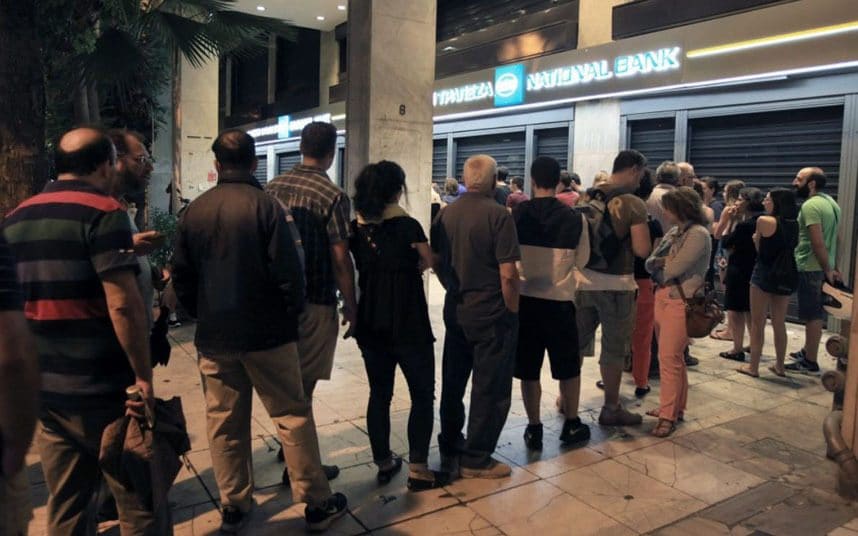
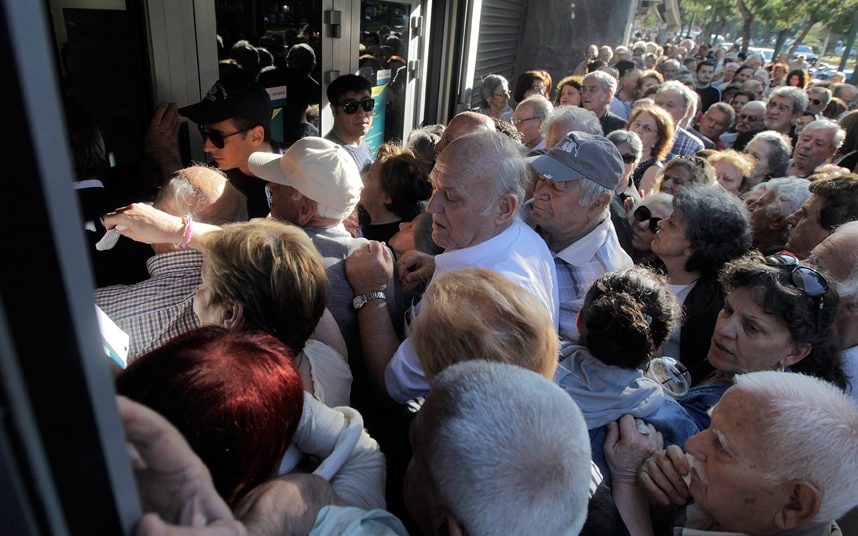
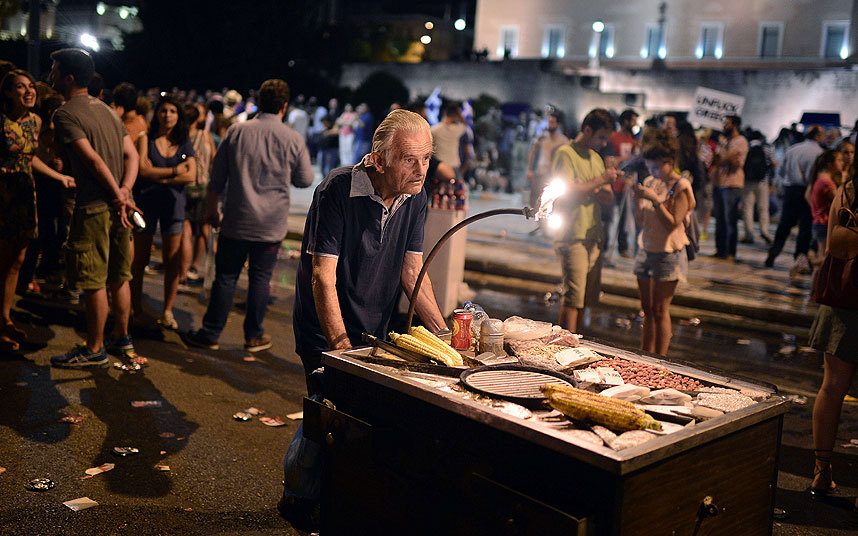
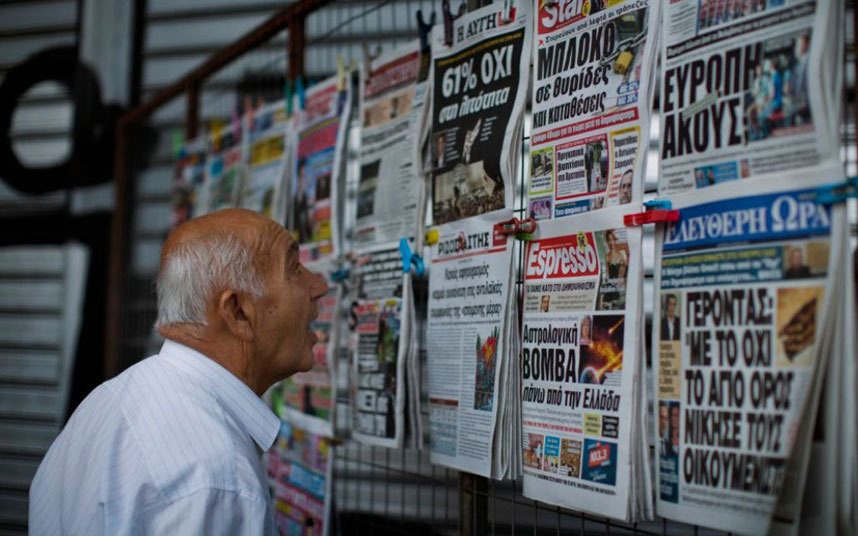
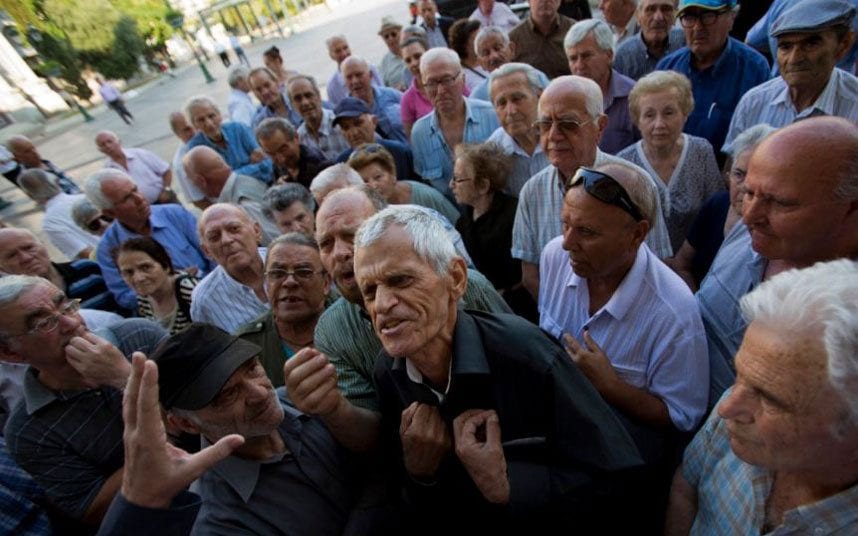
Everyday life in Greece was marked by fear, uncertainty, and a profound sense of insecurity. Families faced drastic wage and pension cuts, skyrocketing taxes, and unemployment that left entire households without income. People worried about losing their homes, not being able to pay electricity bills, or afford basic goods as prices rose while incomes collapsed. Banks were viewed with suspicion, savings were withdrawn in fear of a euro exit (“Grexit”), and many stocked essentials at home.
When the massive financial crisis hit from 2009 on, countless greek citizens lost their jobs, their homes, and in some cases, their hope. As the crisis dragged on, something remarkable happened: community organizations in Athens began to step in and fill the gaps in services that the government could no longer afford. From laundry for the homeless, to drug recovery programs, to new employment opportunities, this documentary tracks NGOs in Athens that organized to help their neighbors survive, ultimately teaching the government a few lessons along the way.
Return to.. “normality.” The same locations of protests and social struggles then and now. With uncertainty about the future being a given, people are still trying to understand what they experienced in order to be able to overcome it productively.
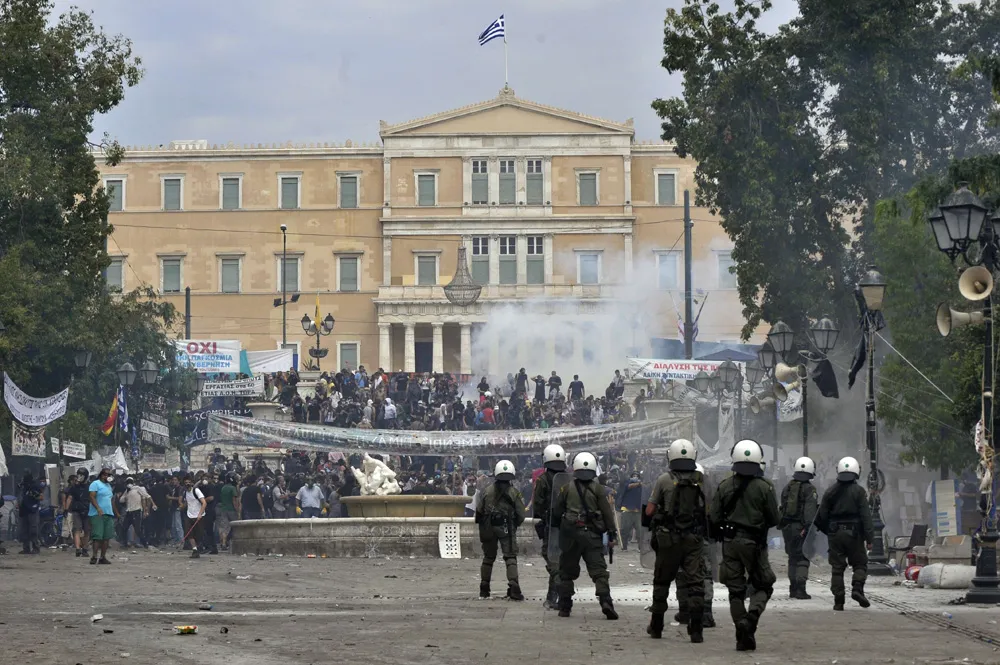
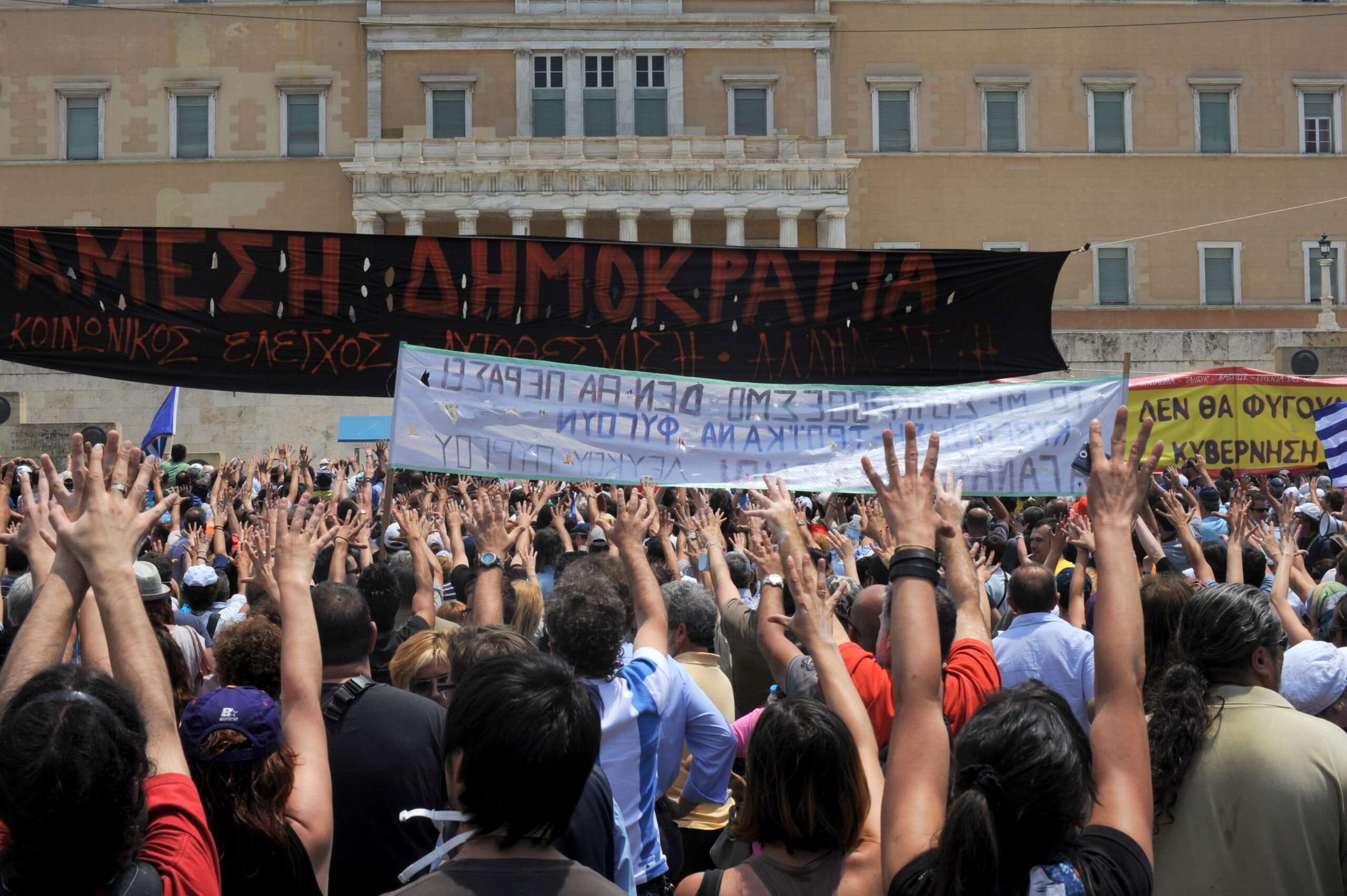
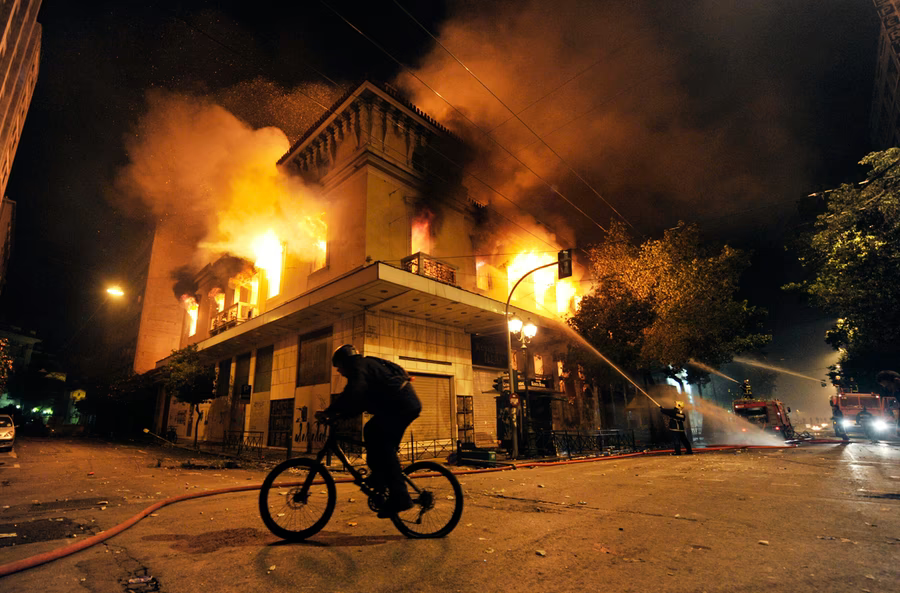
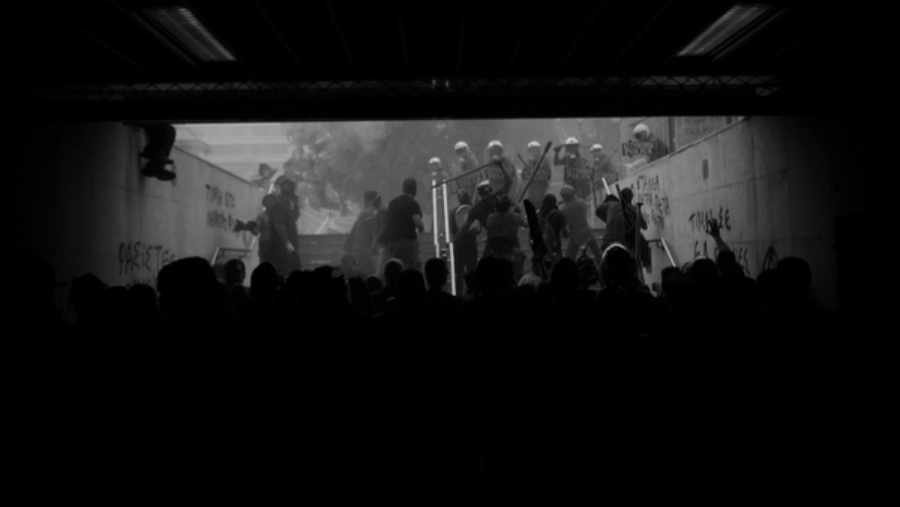
Typical footage of the atmosphere in the streets during the riots against austerity of the time. Video participated in the official program of the 7th Berlin Biennale for Contemporary Art 2012, in the project “Breaking the news”, organized by KW Institute for Contemporary Art, Berlin. 27/4 — 1/7/2012
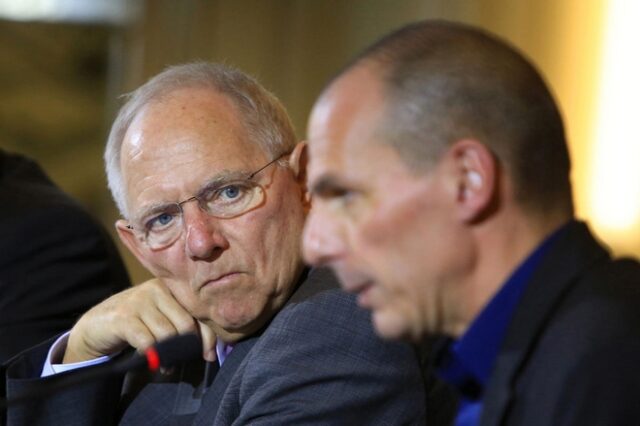
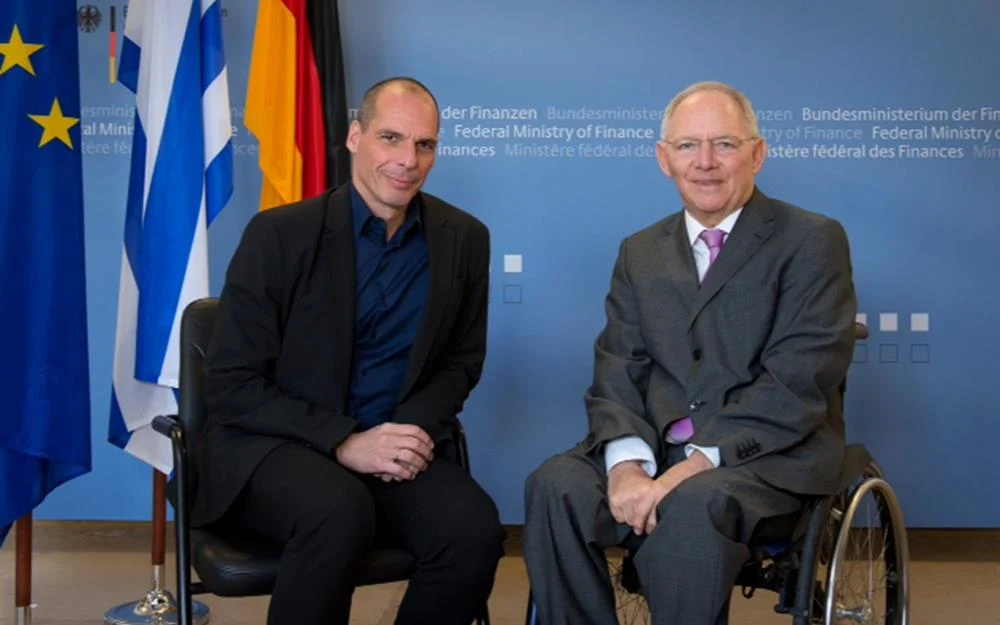
Wolfgang Schäuble ‘s interview to greek journalist (choose german subs on youtube for the questions raised in greek)
One of the most symbolic moments during the years of increasing austerity and often absurdity was the closure of the Greek Public Television.
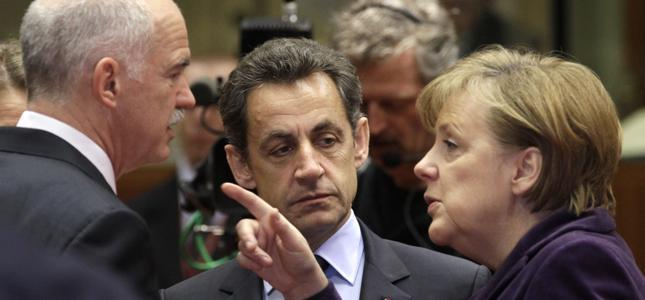
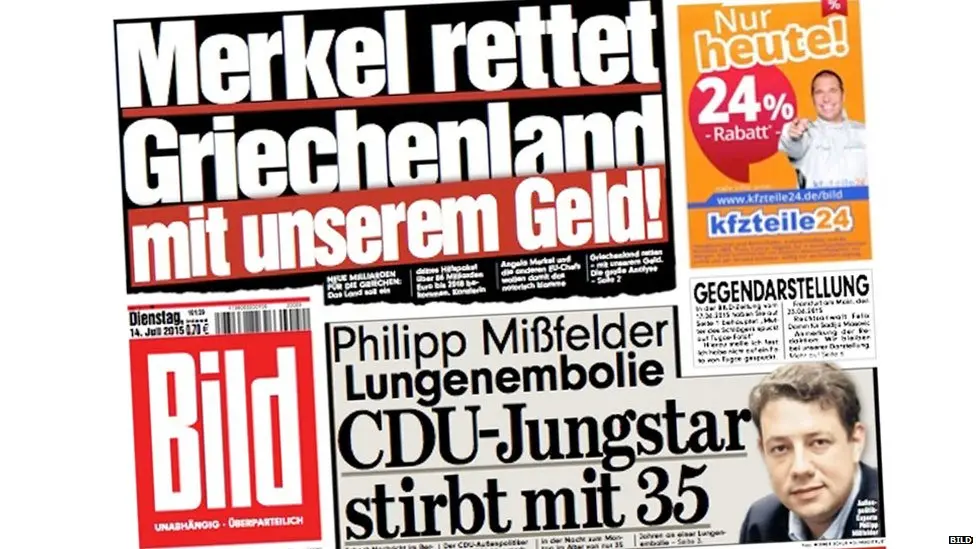
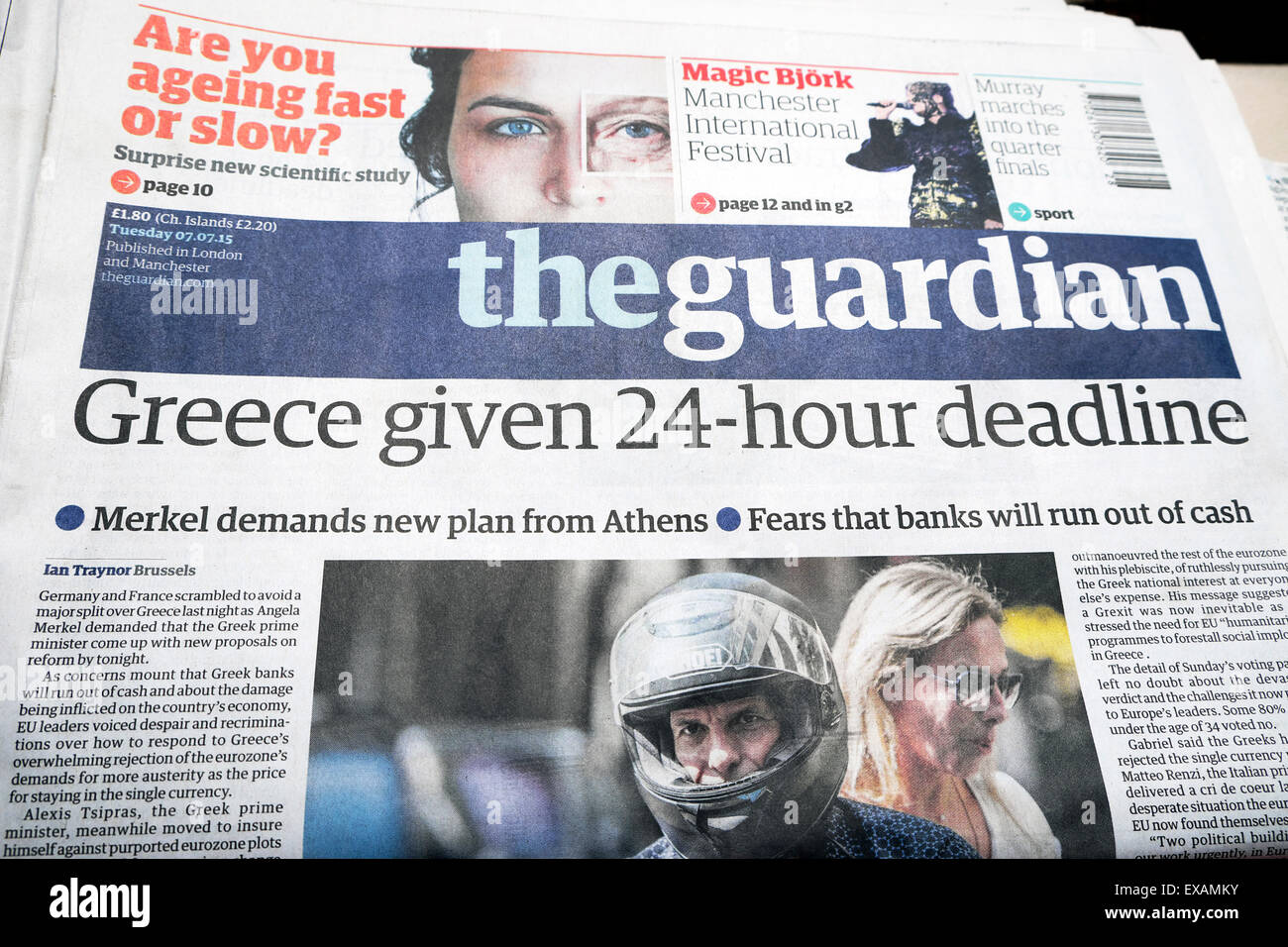
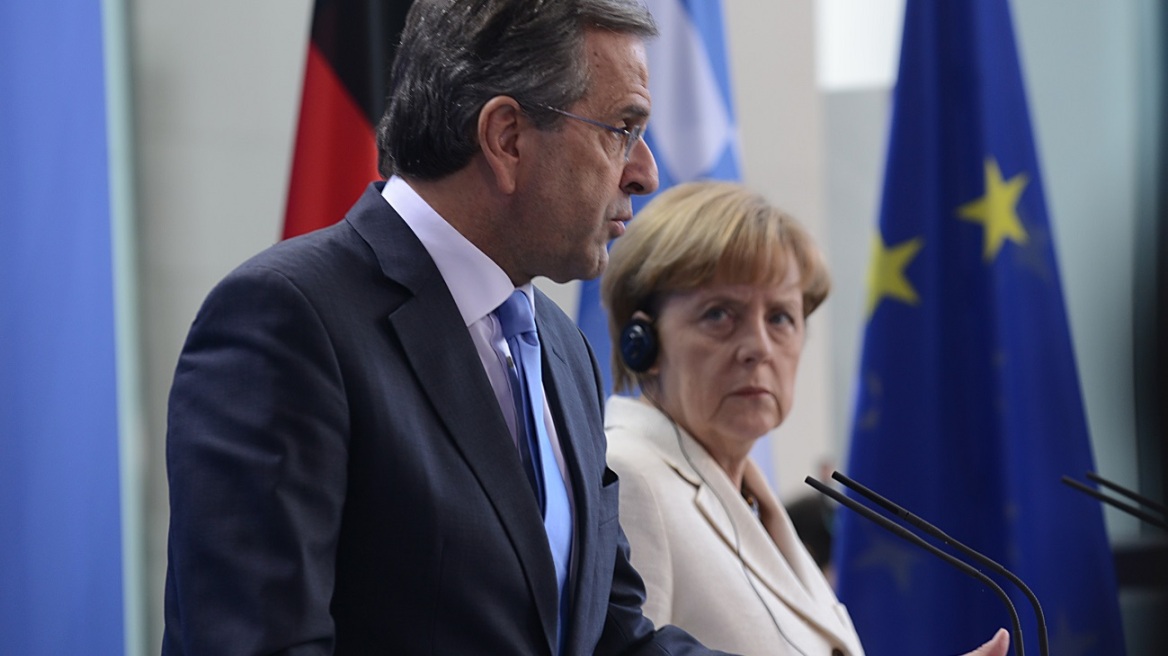
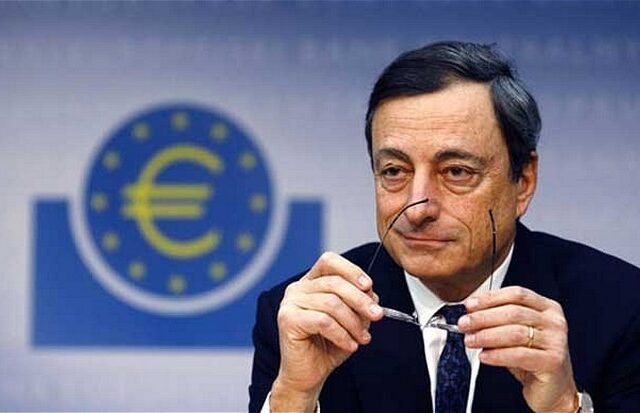
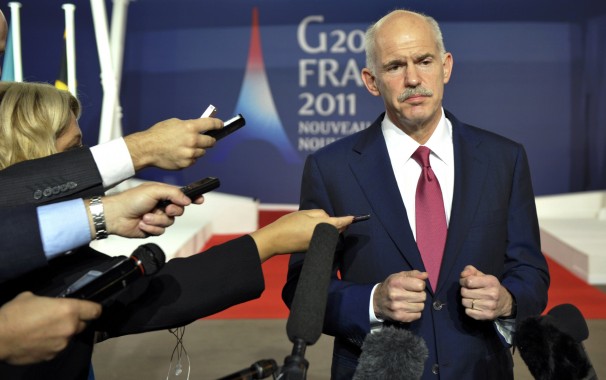
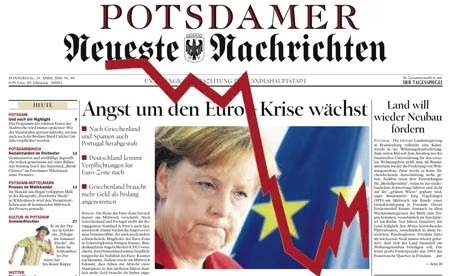
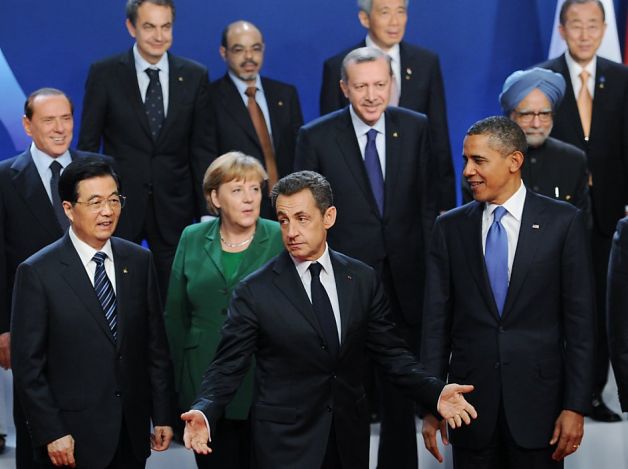
FT’s editor Peter Spiegel: It was not democratic or fair but sooner or later everyone was ultimately understanding that there is no alternative to what the eurozone leaders & the creditors dictated. Ofcourse greek economic situation was much more worse and the political system much more rotten but also germans were very vocal on Grexit derailing bond markets credibility to eurozone and Greece -that’s why crisis was so deep in Greece rather than in Spain, Portugal, Ireland etc.
Photos
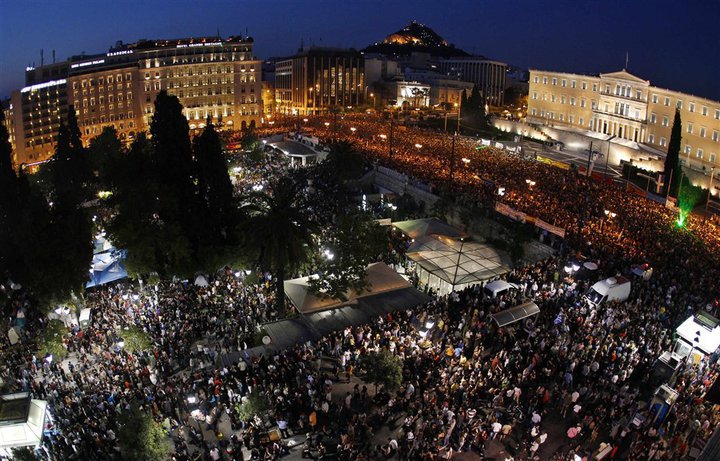
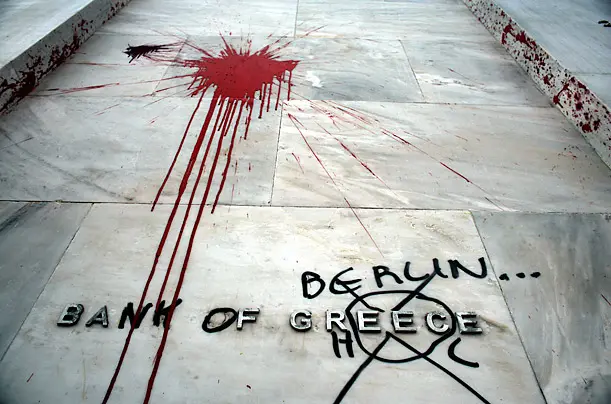
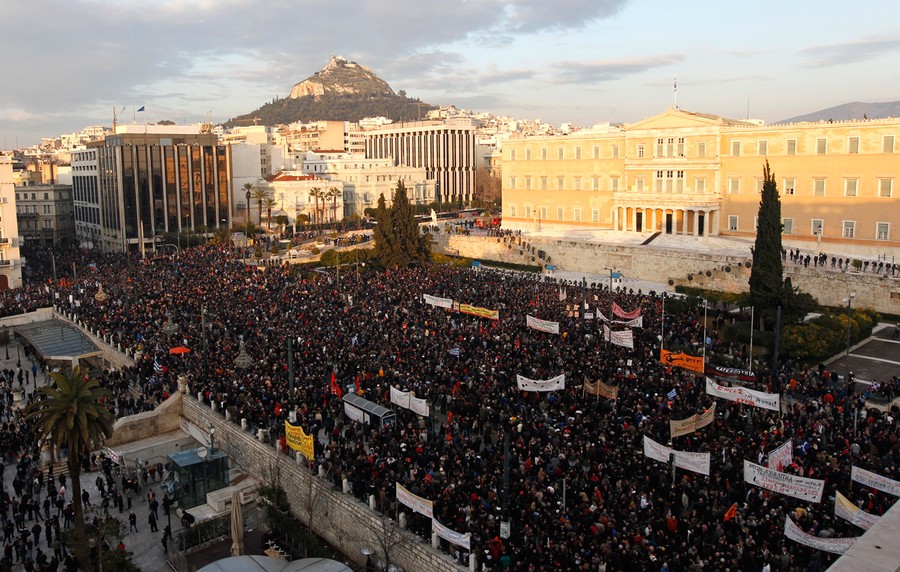
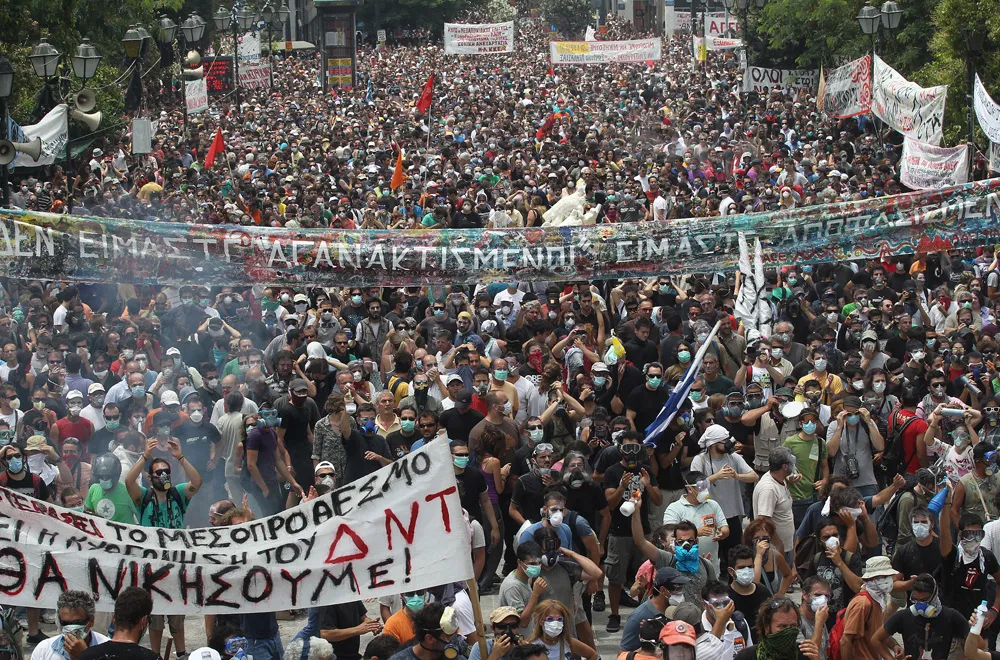
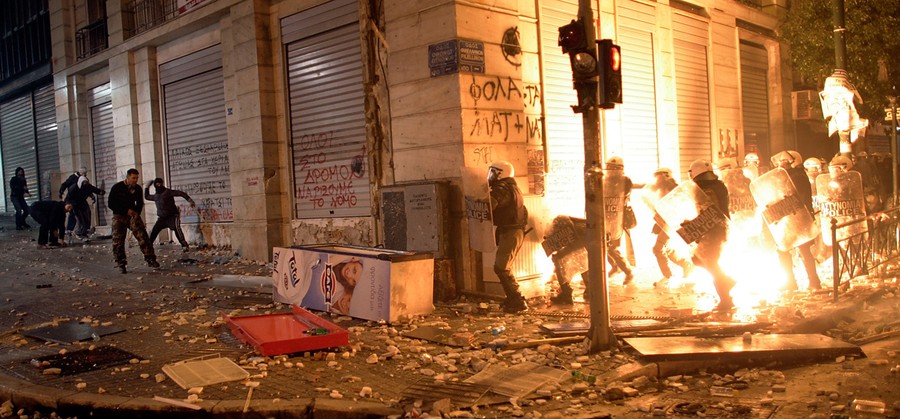
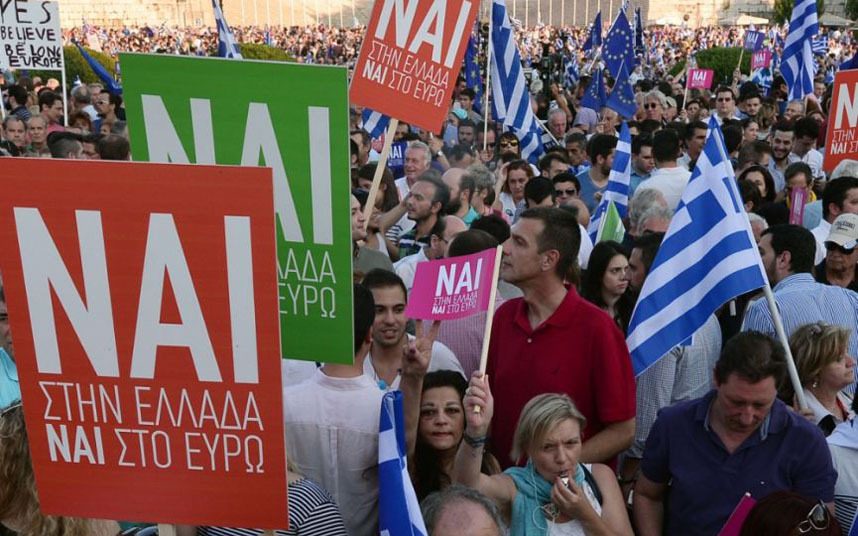
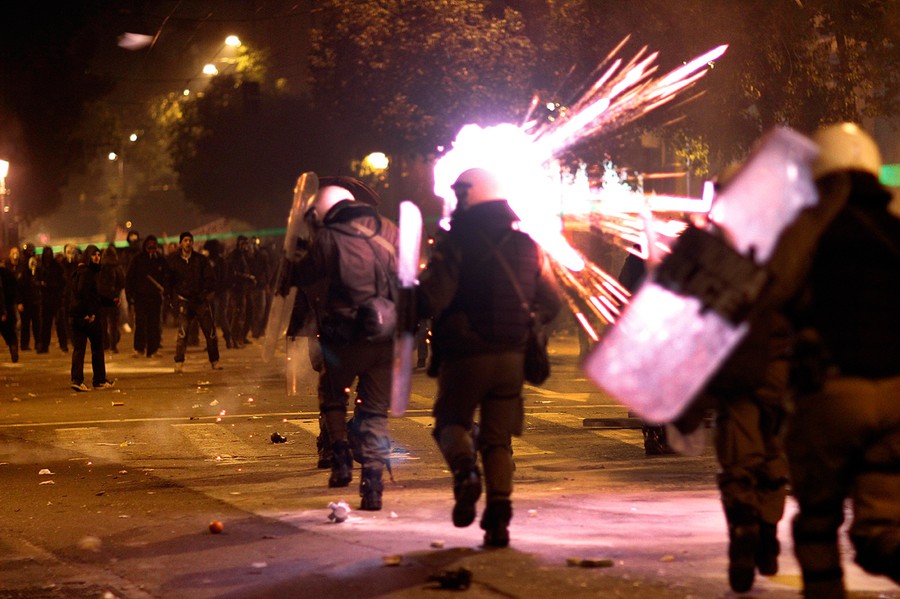
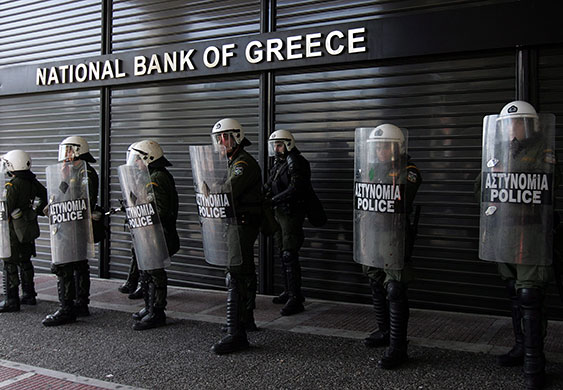
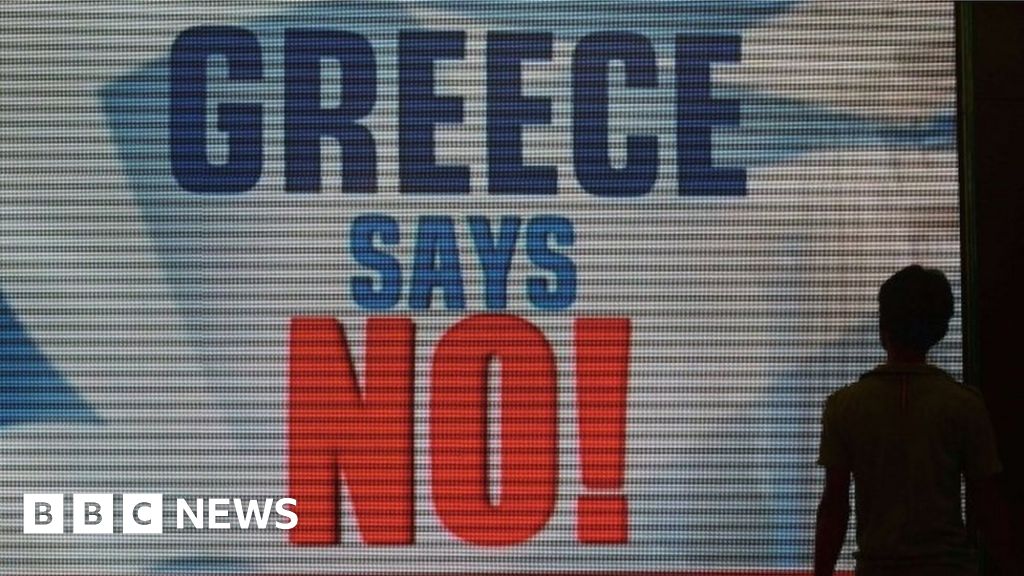
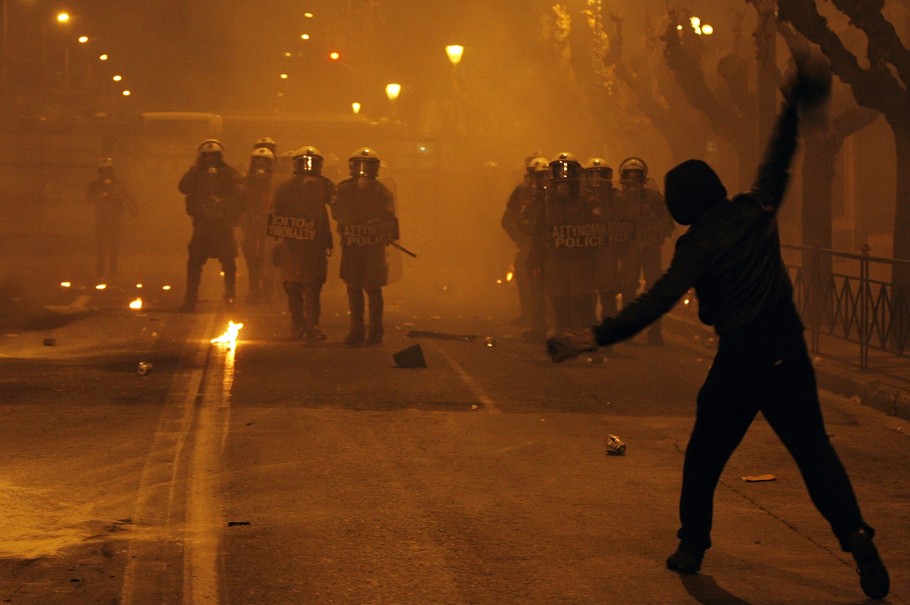
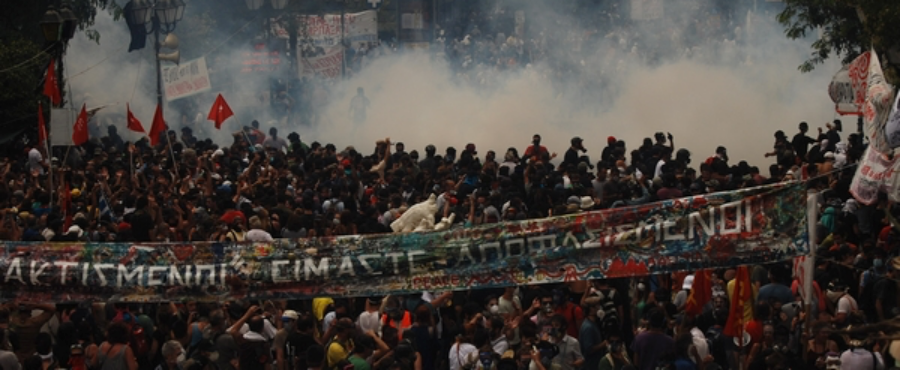
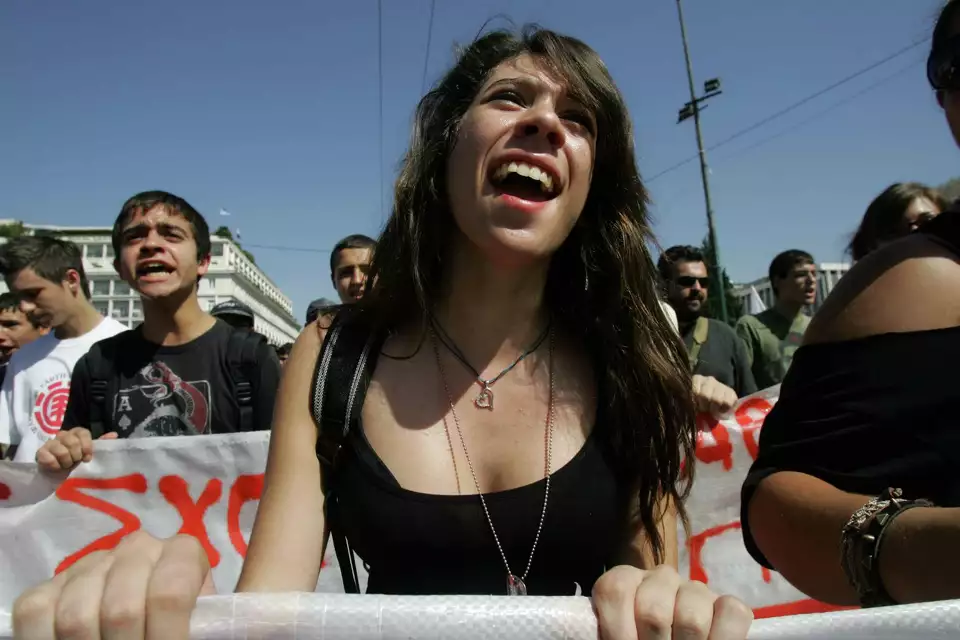
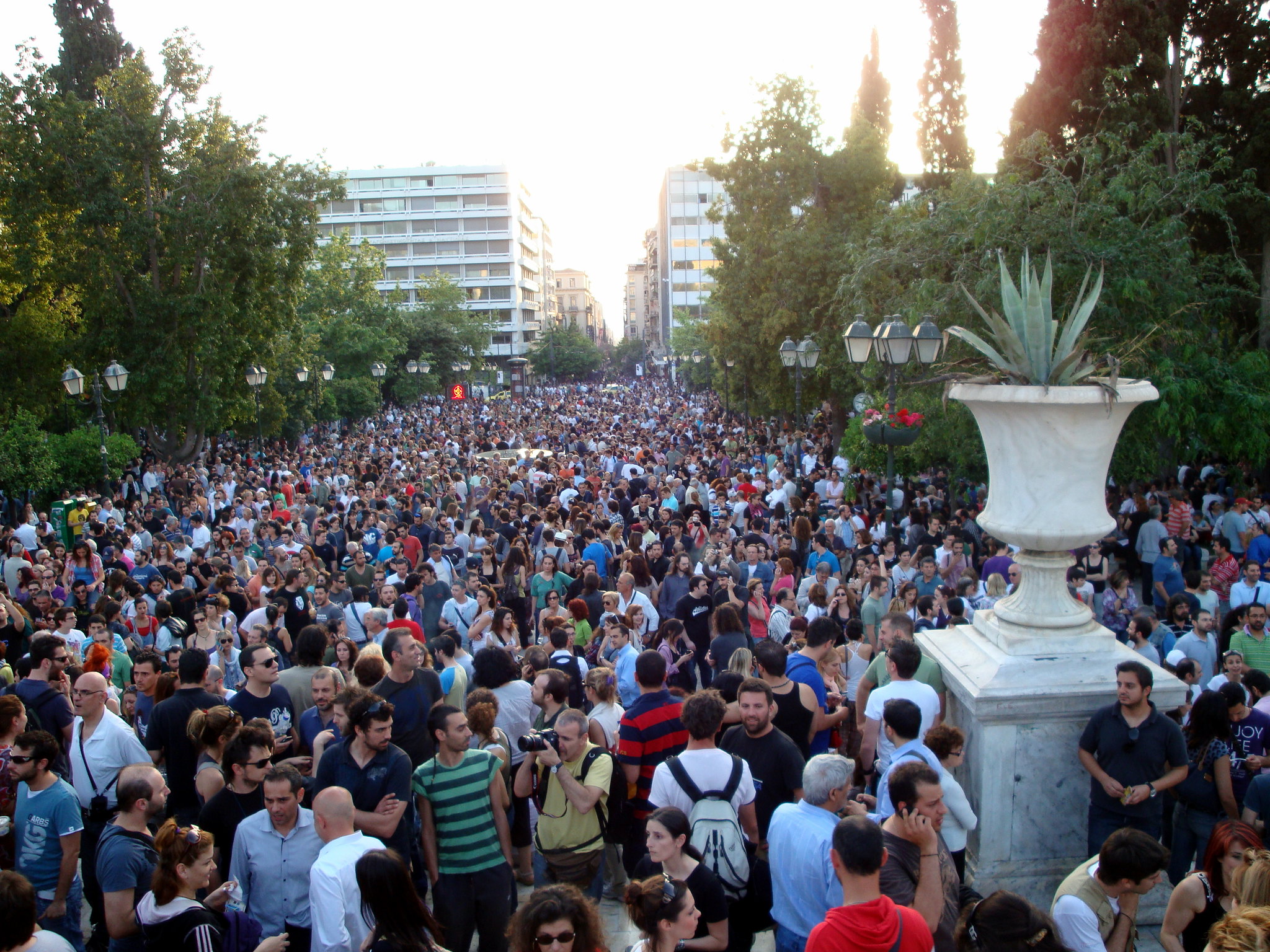
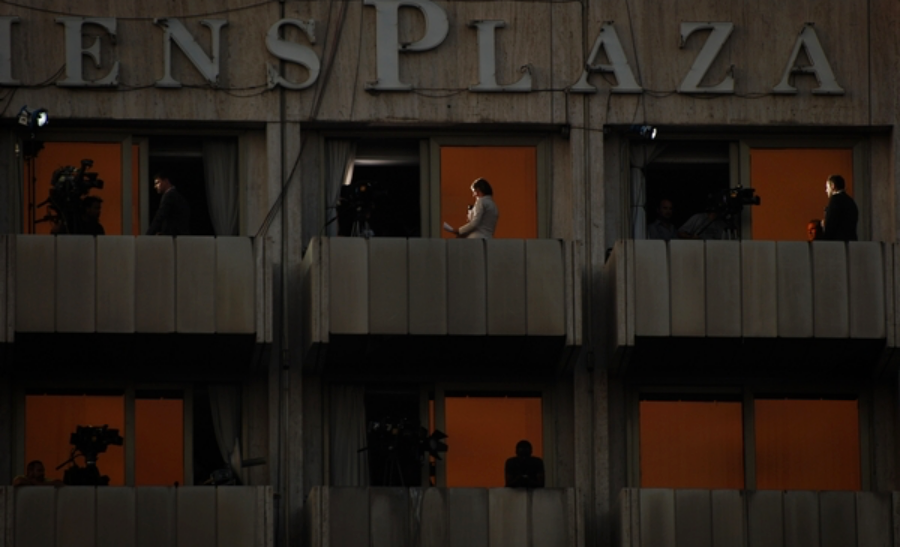
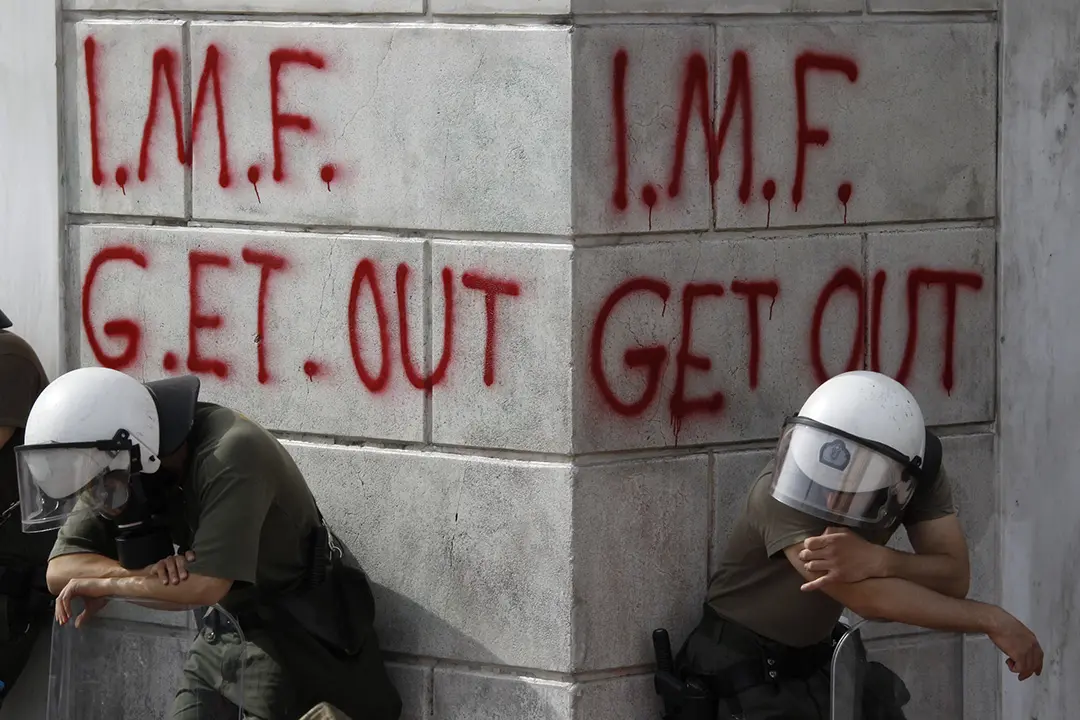
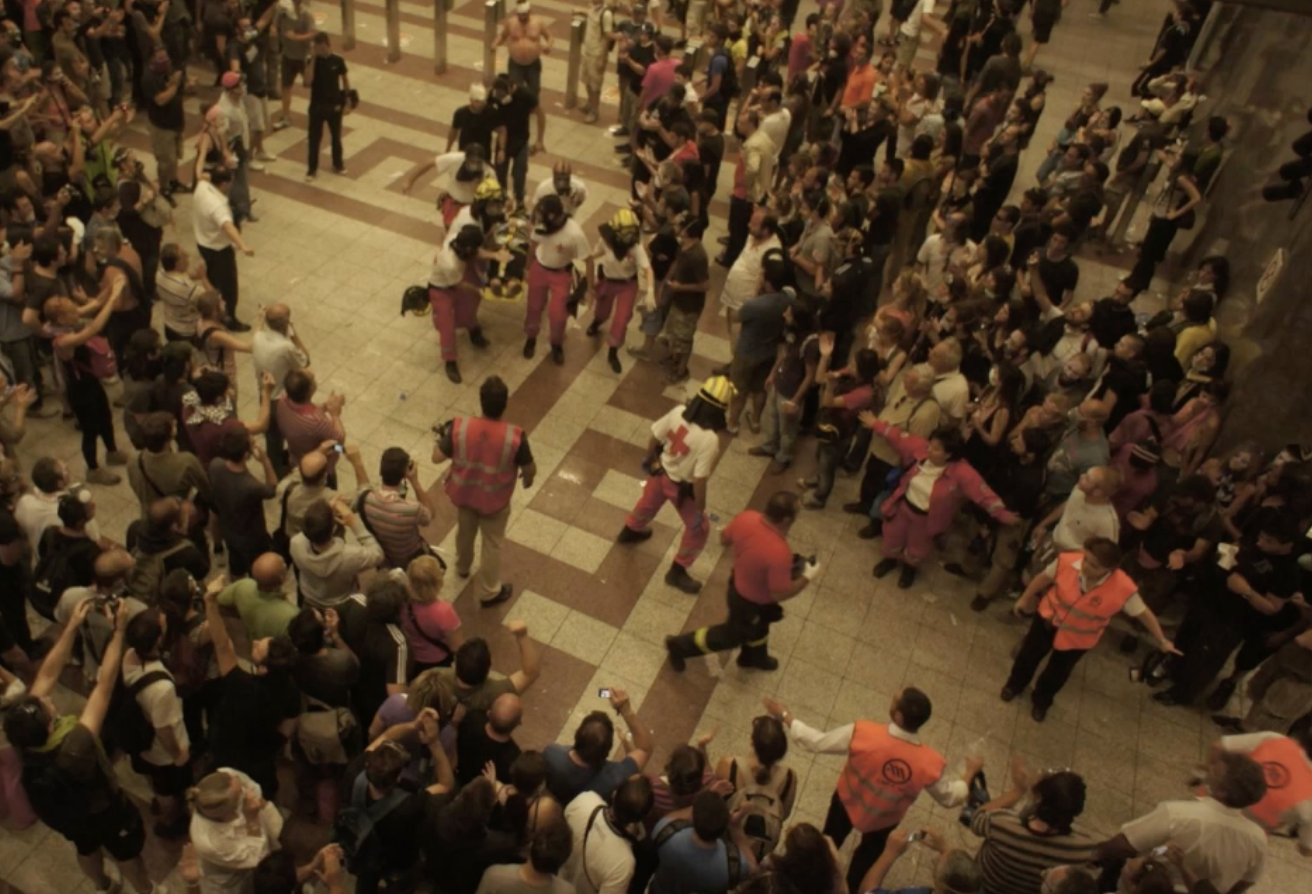
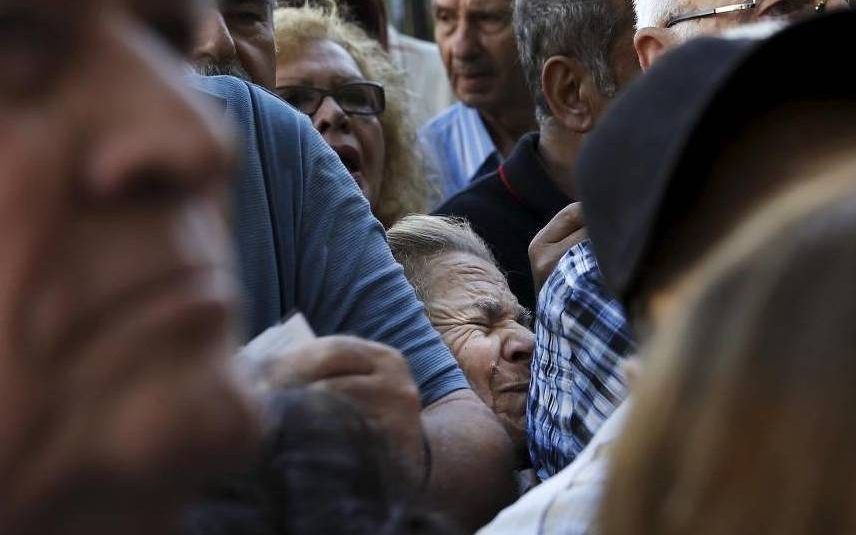
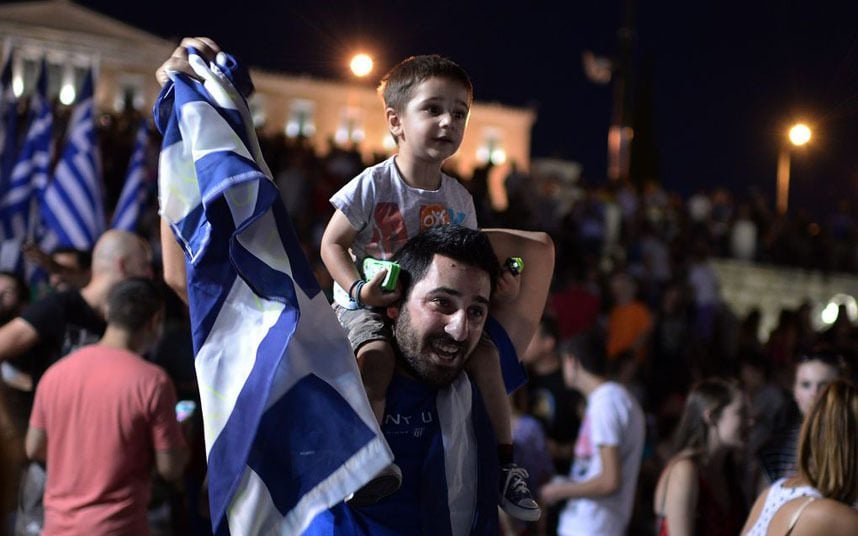
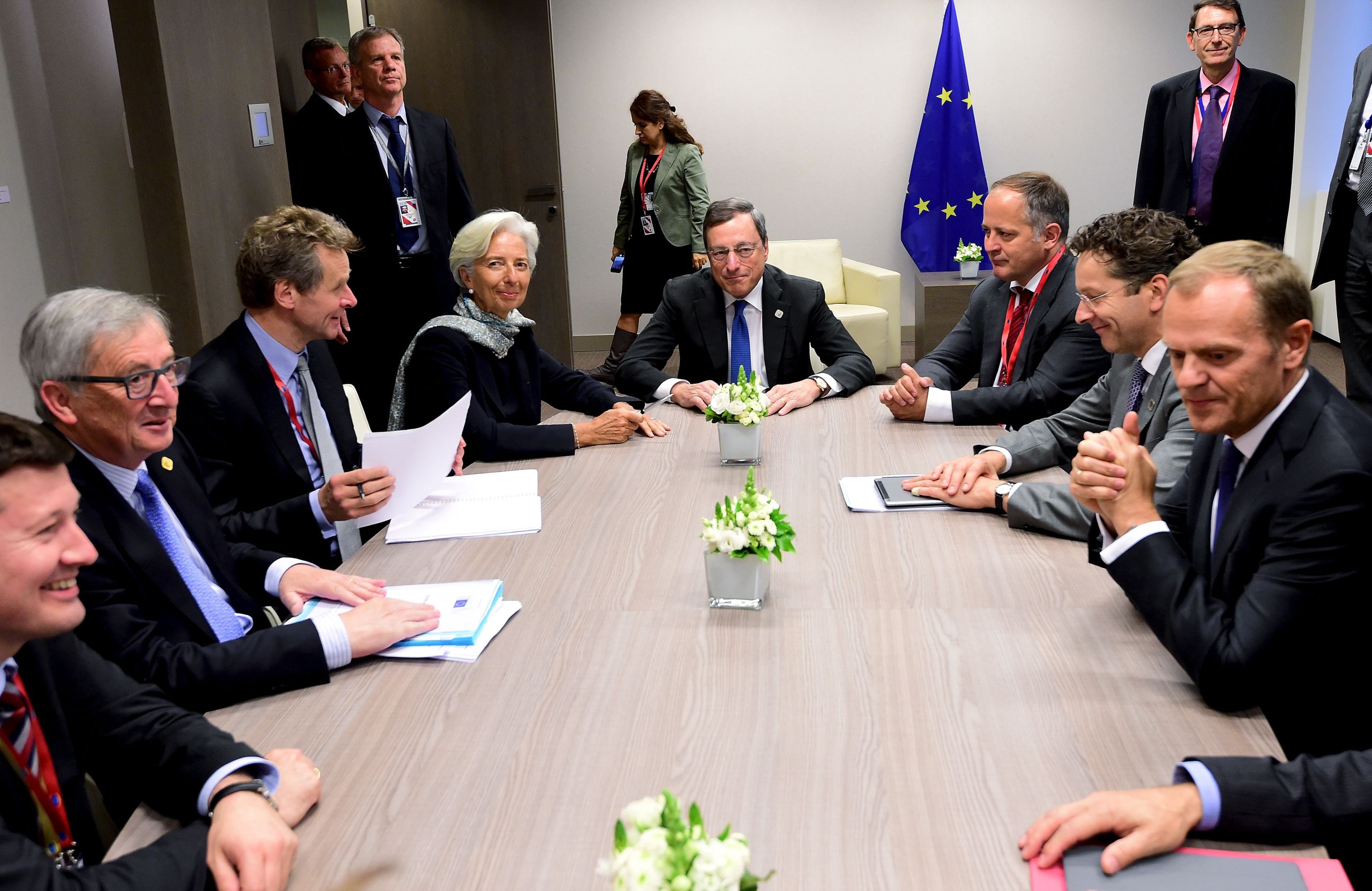
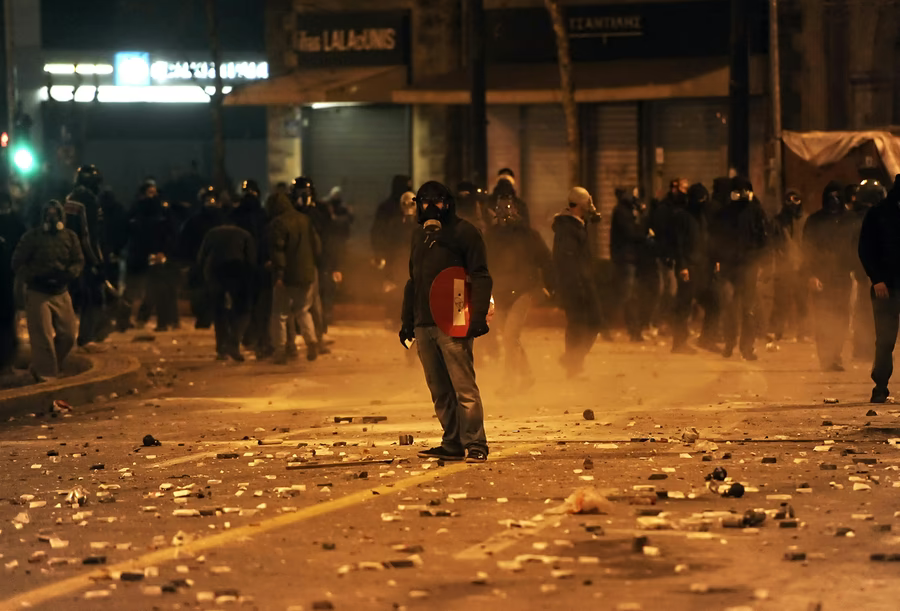
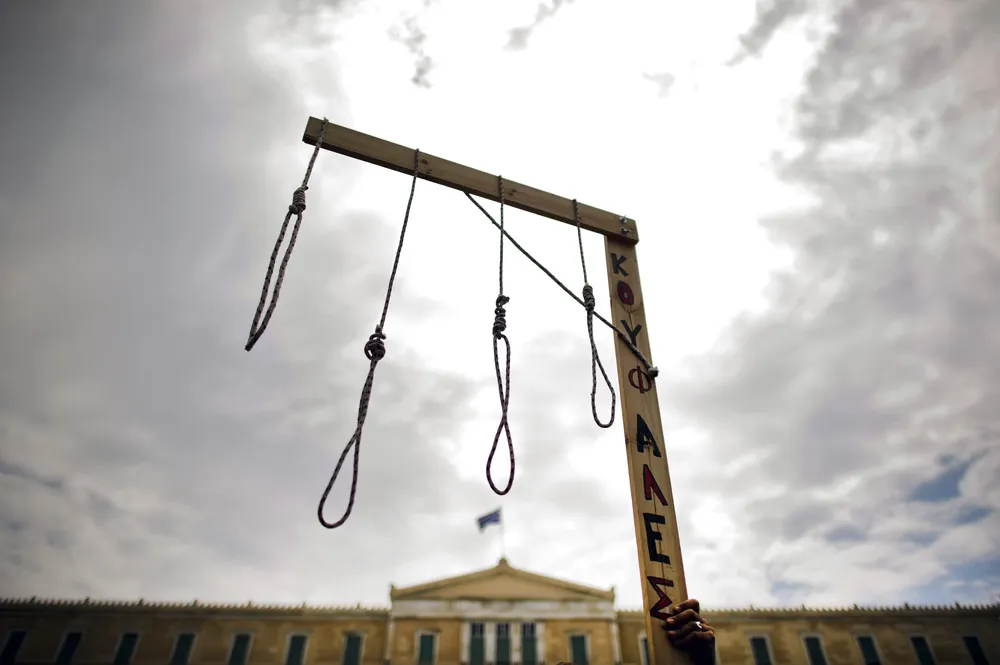
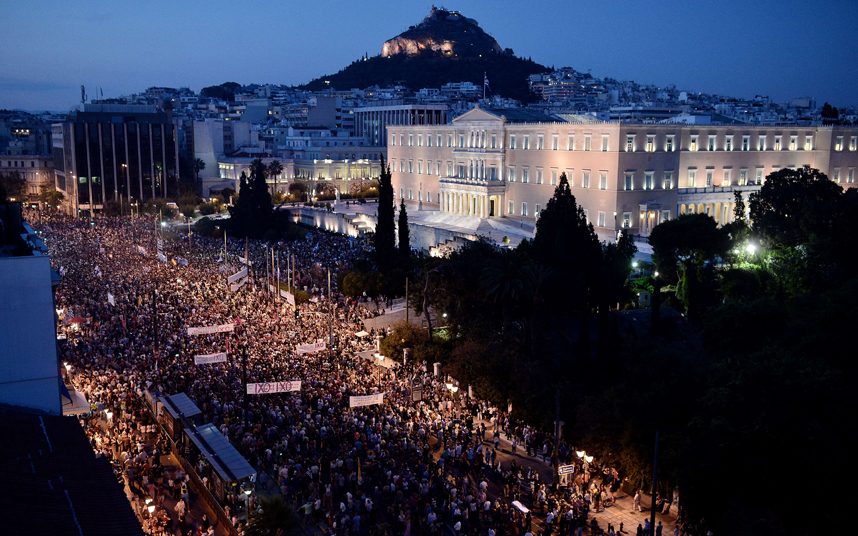
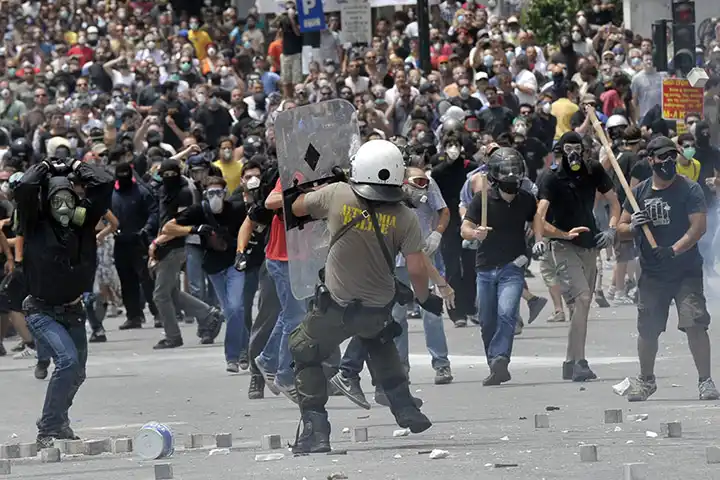
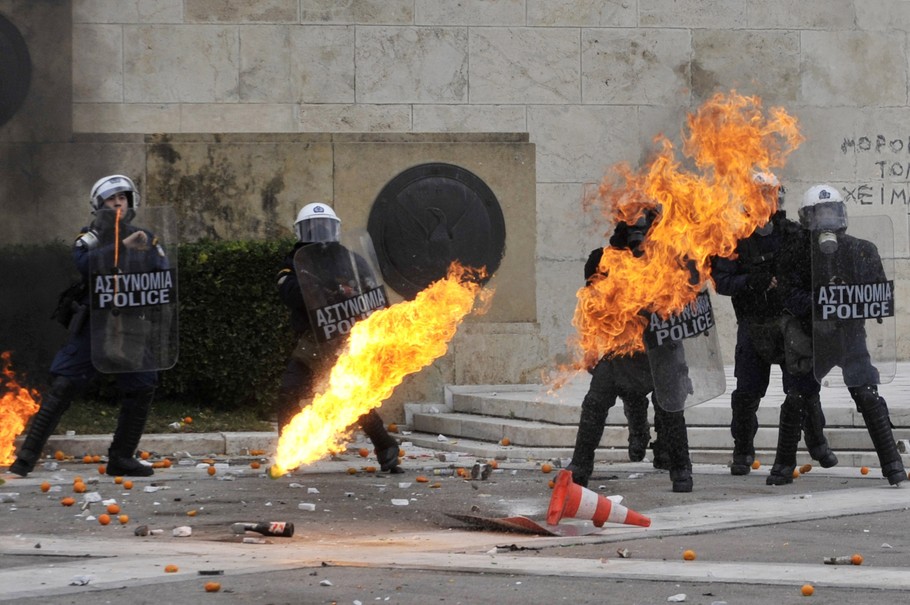
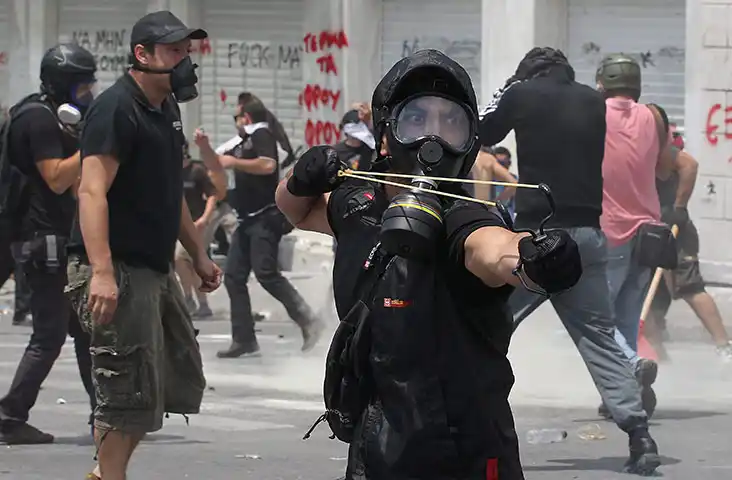
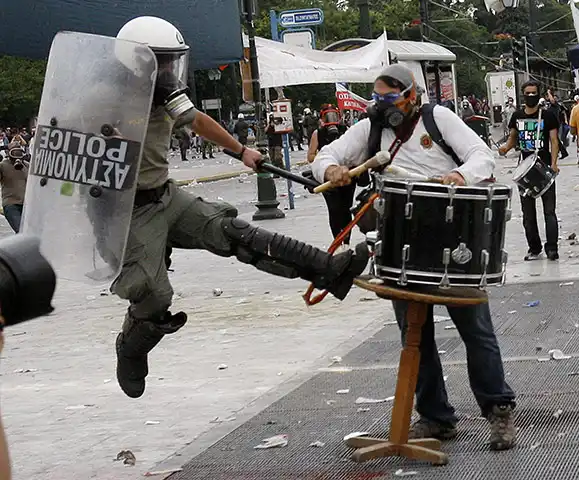
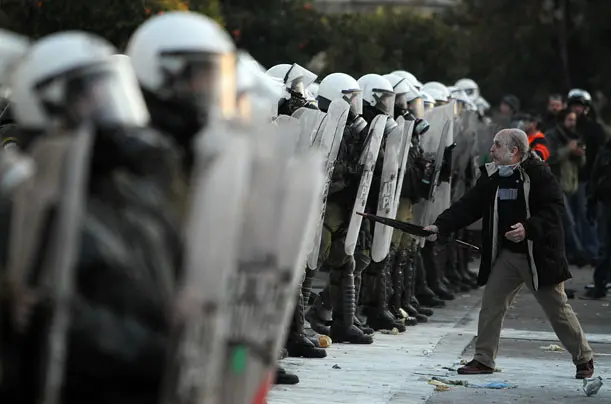
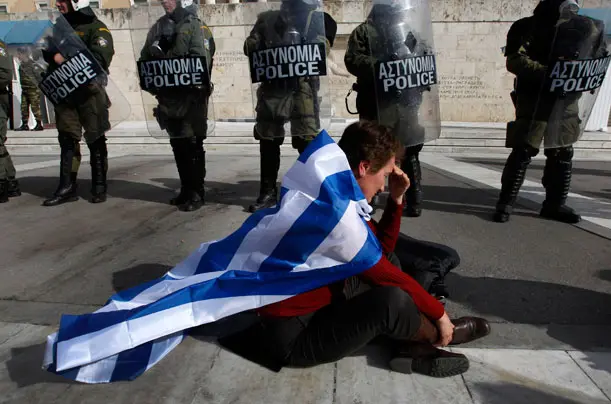
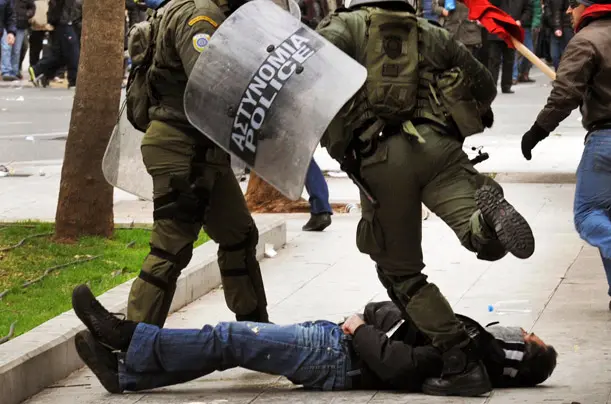
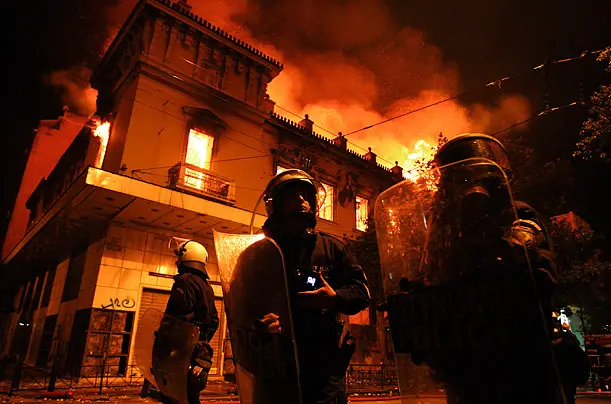
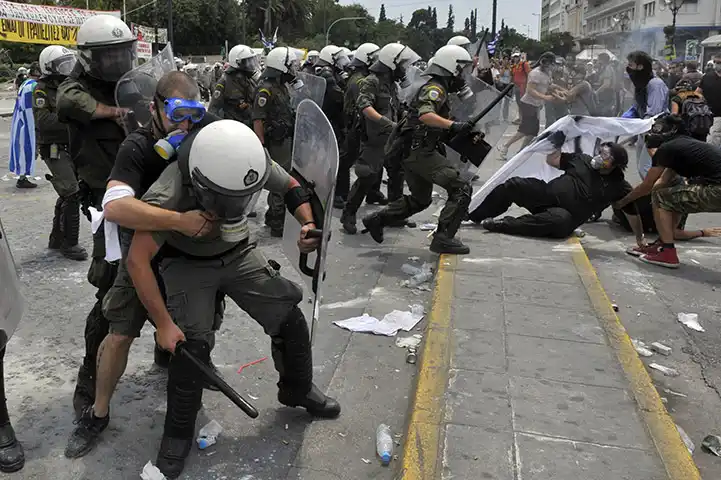
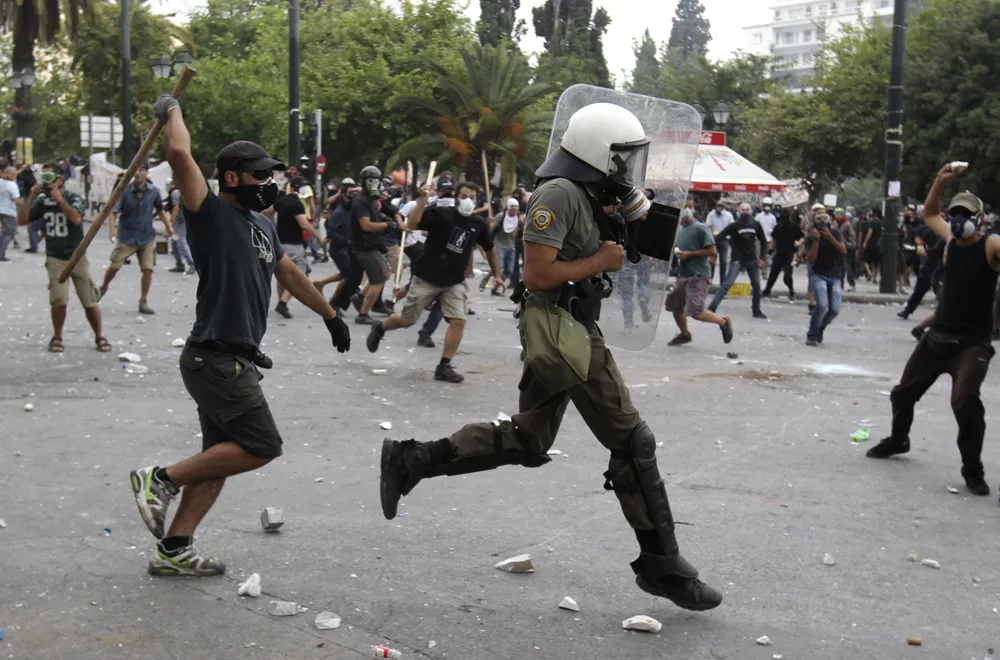
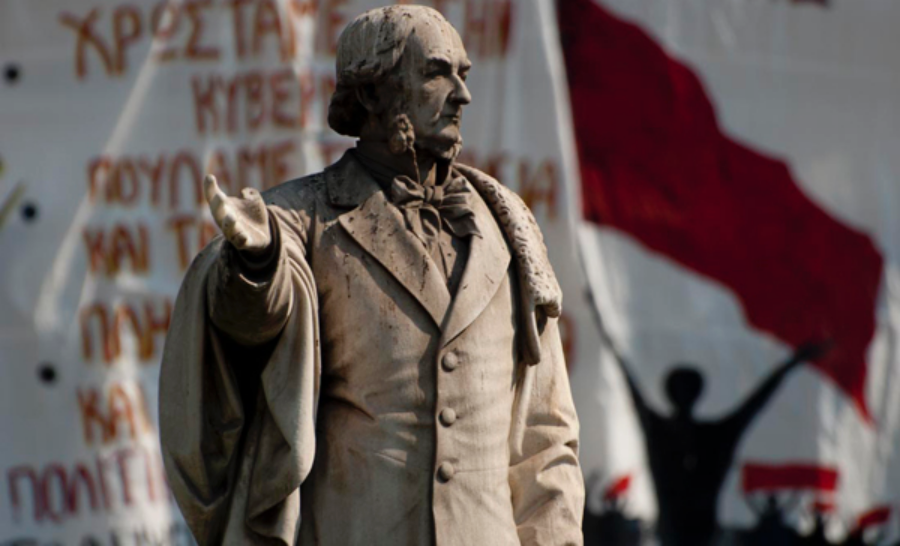
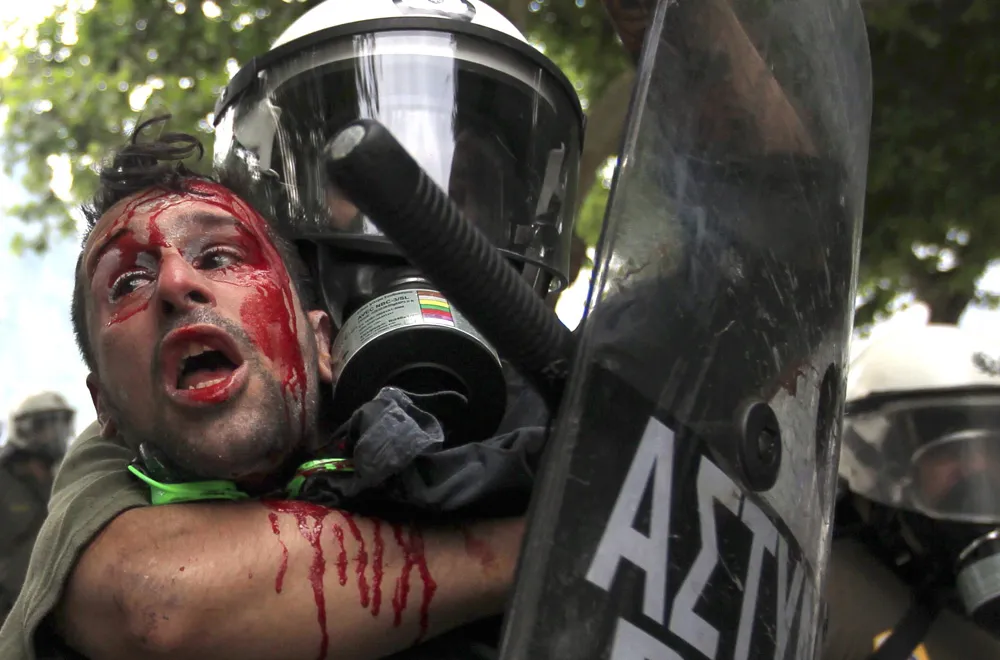
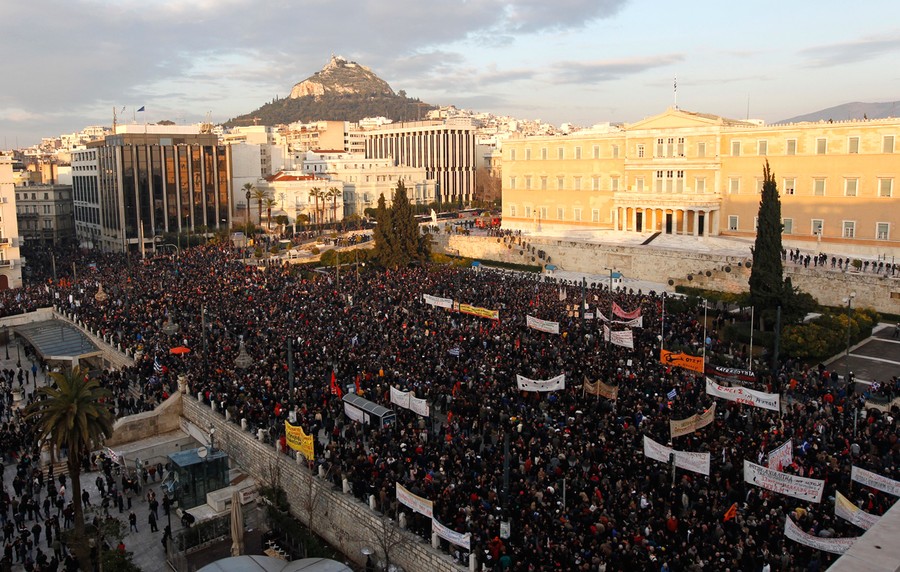
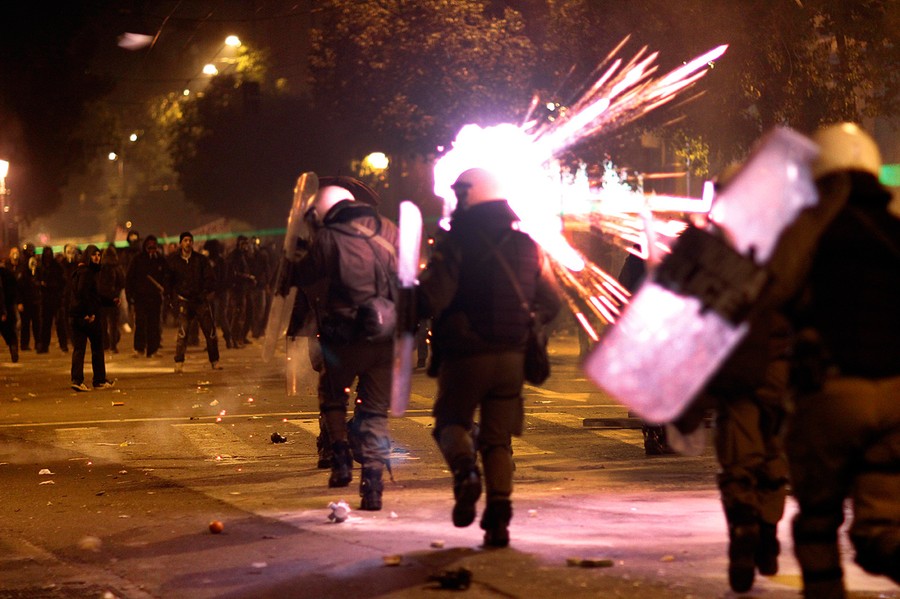
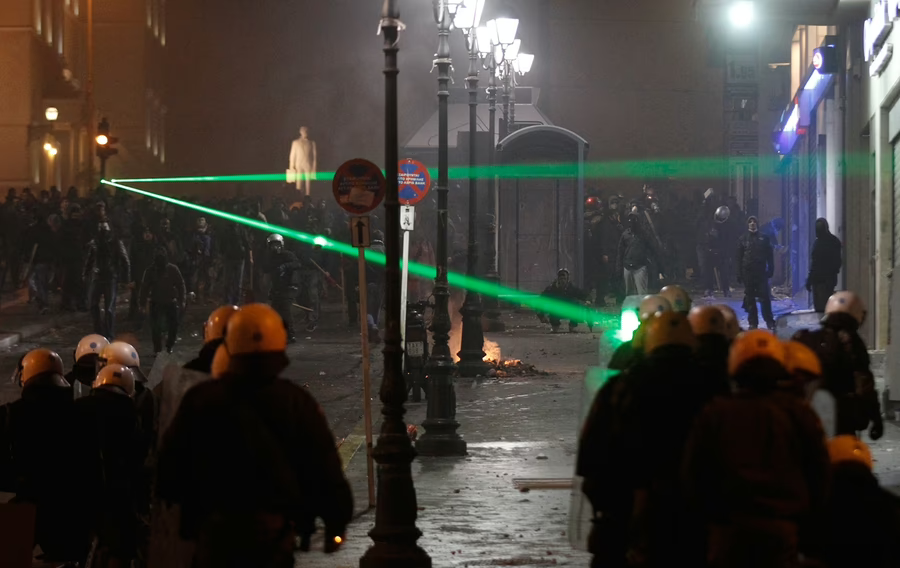
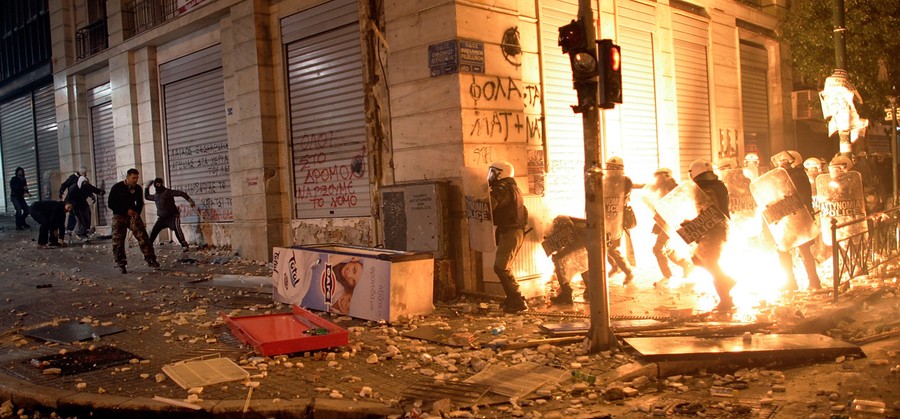
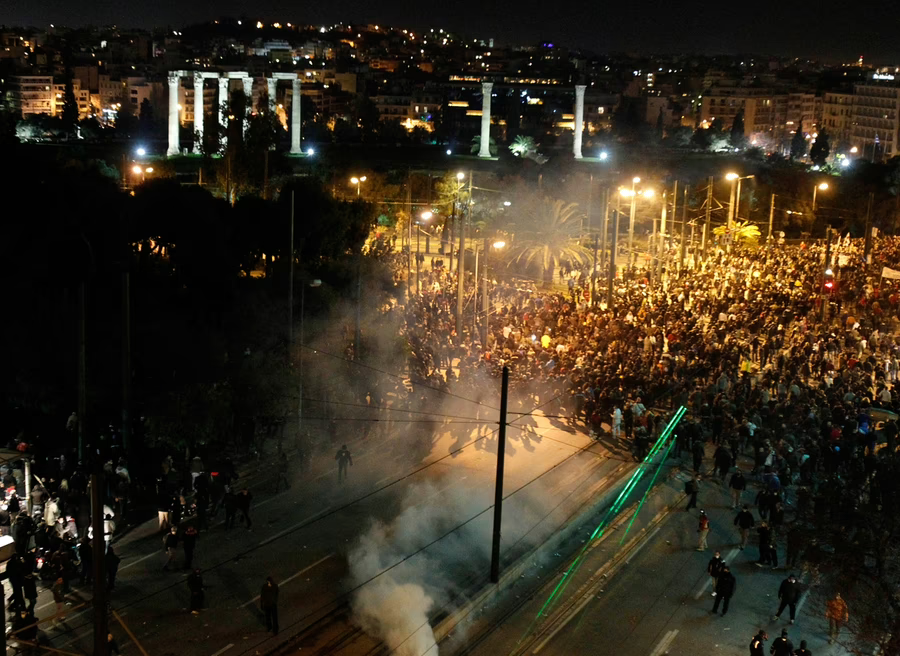
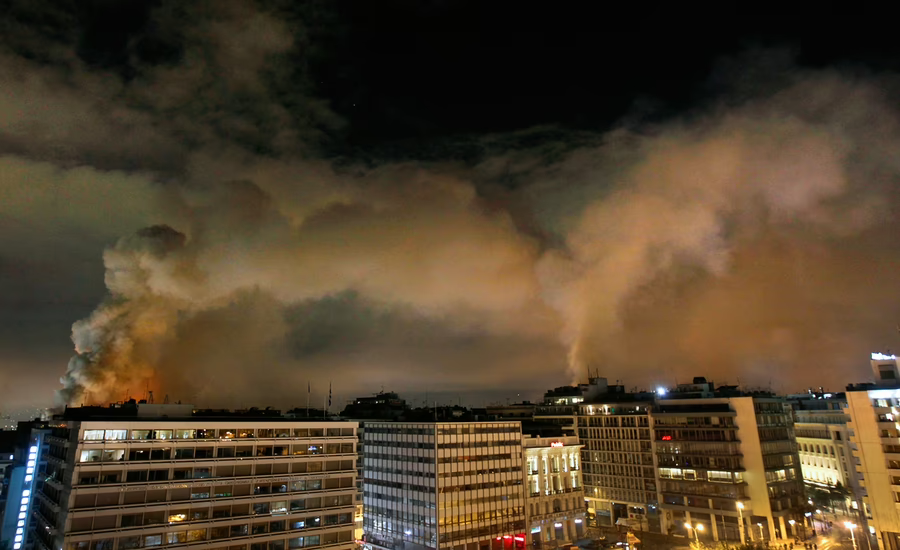
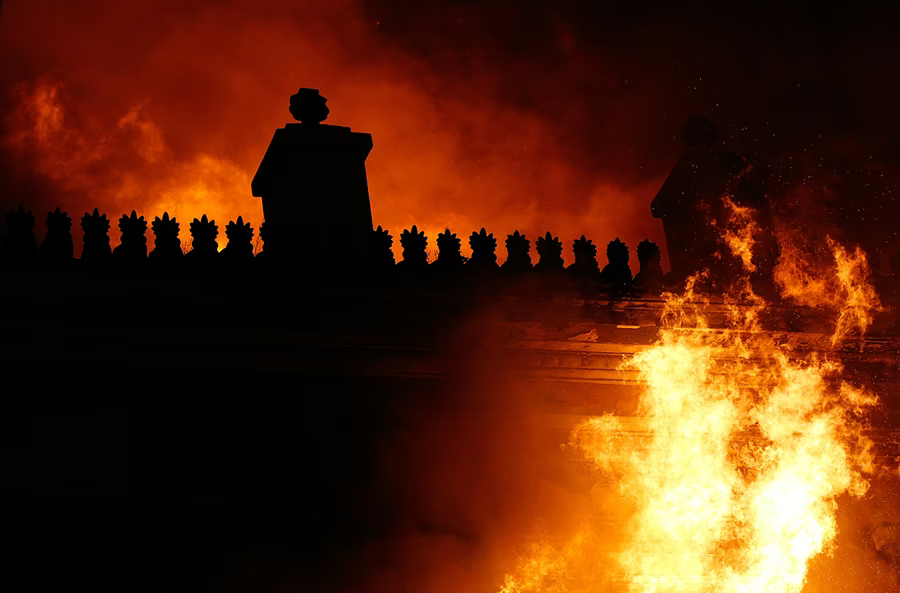
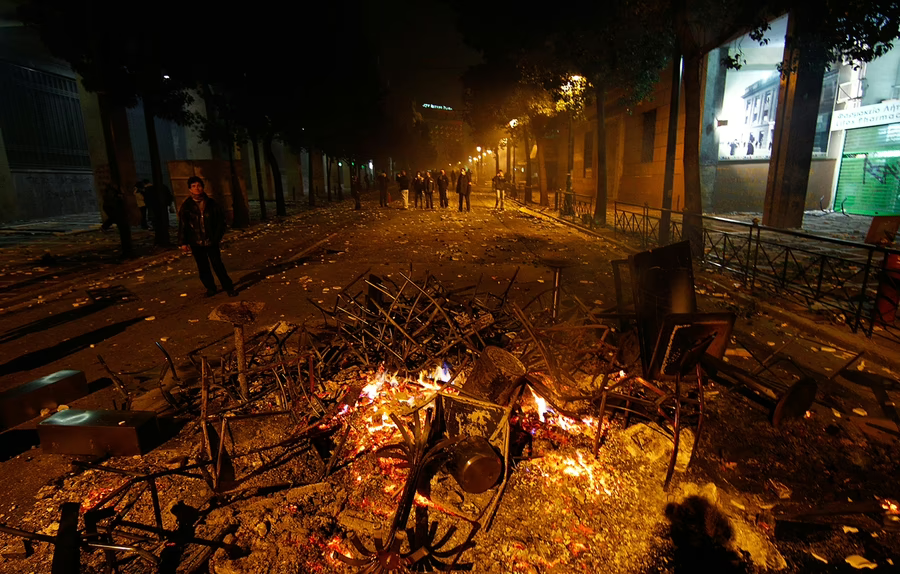
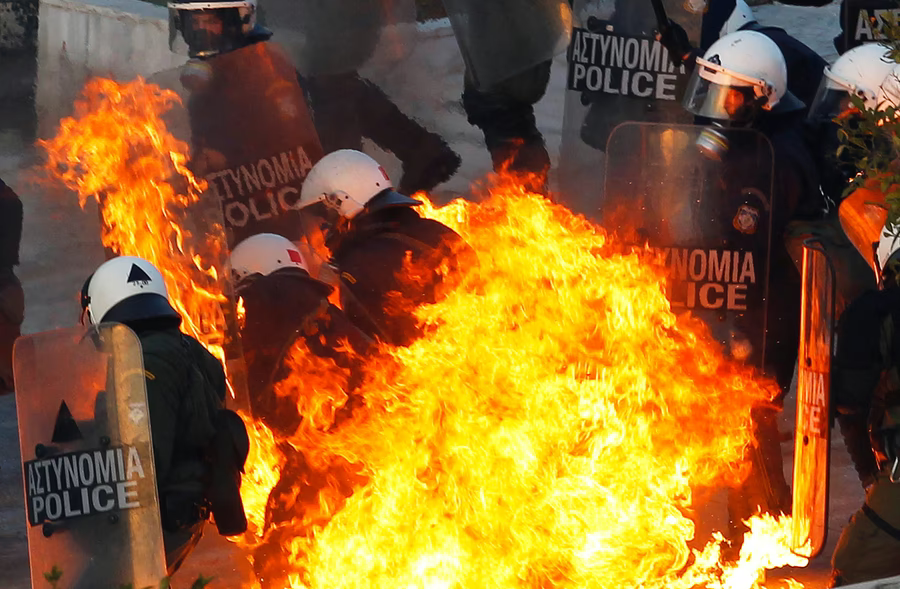
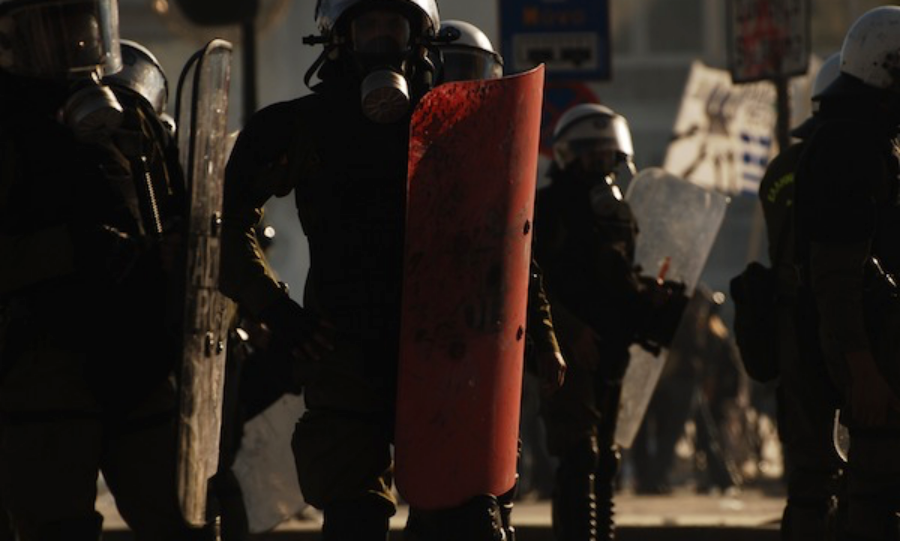
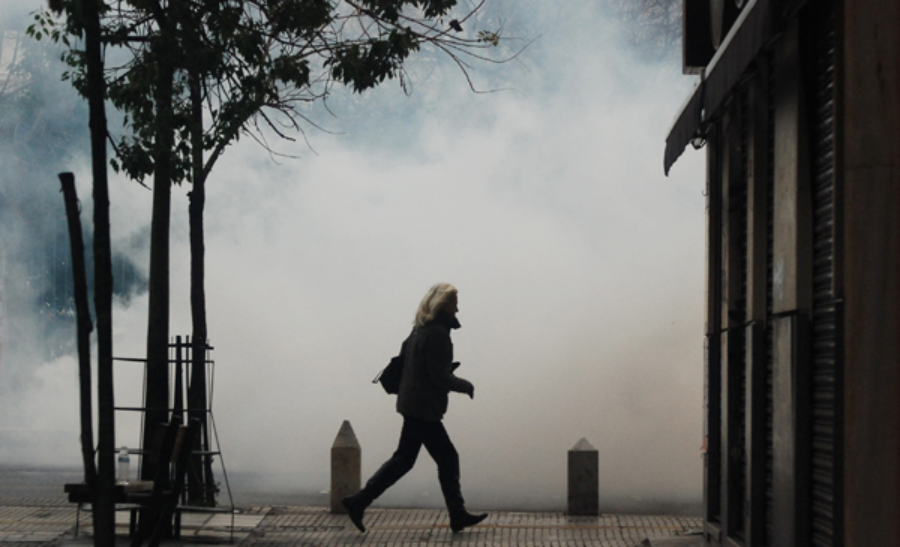
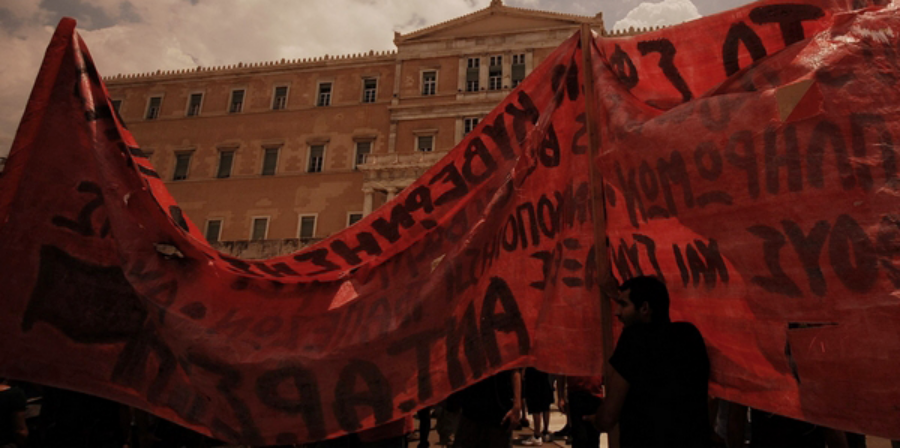
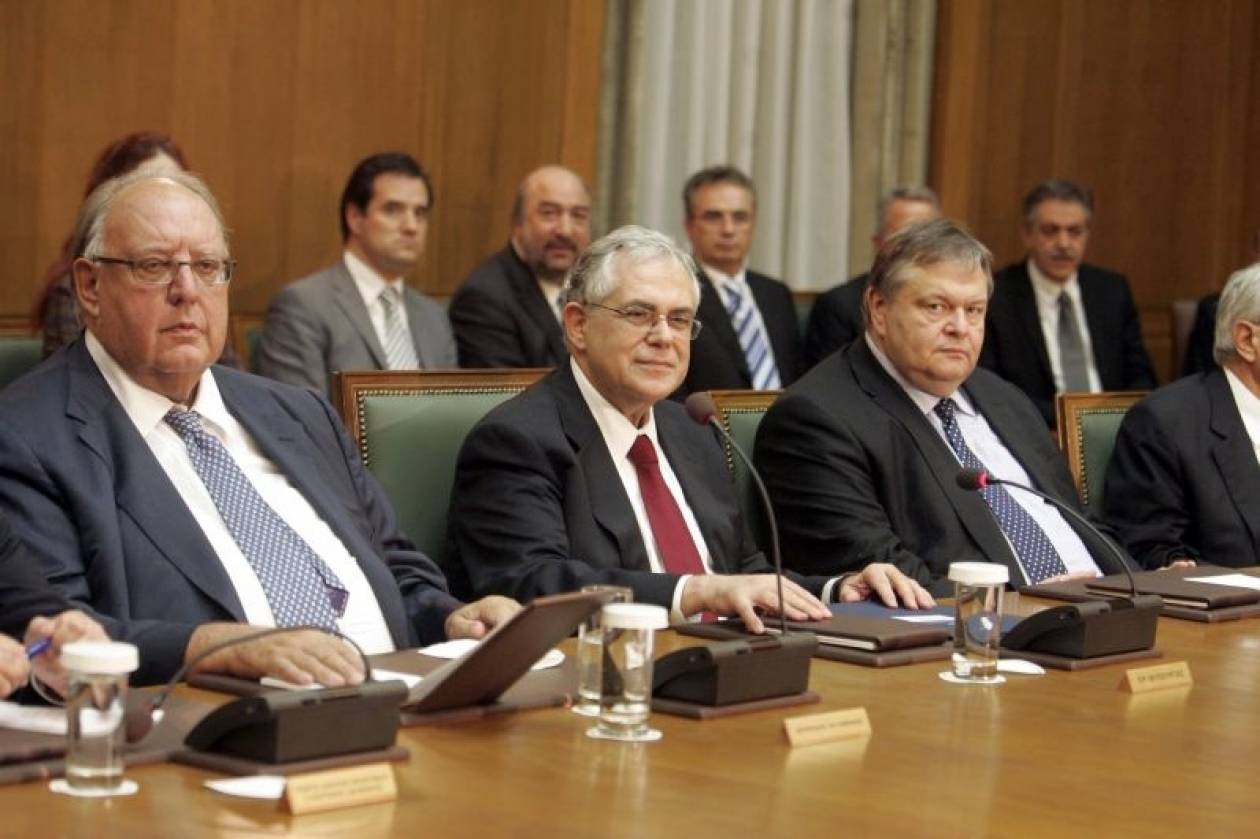
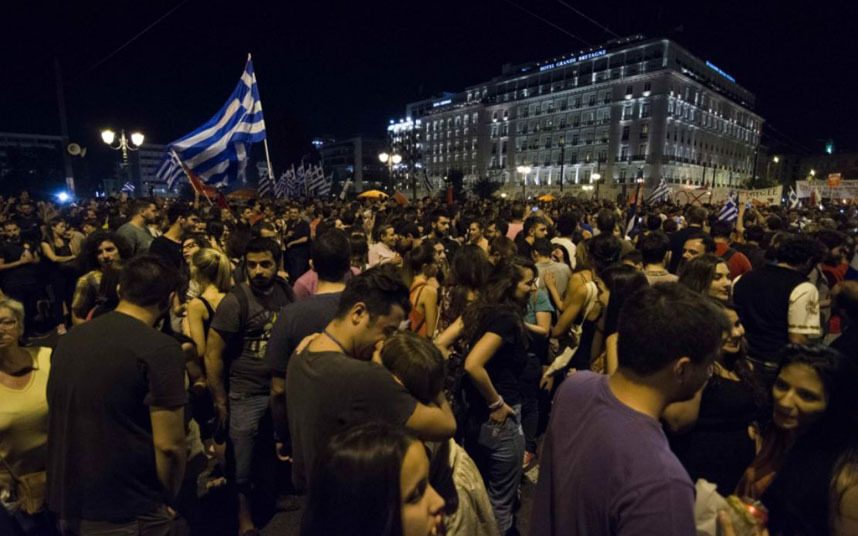
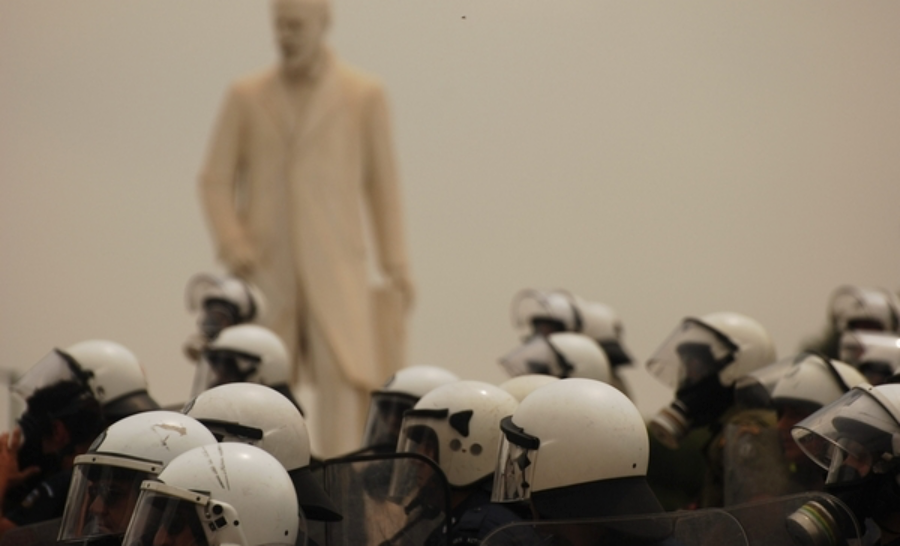
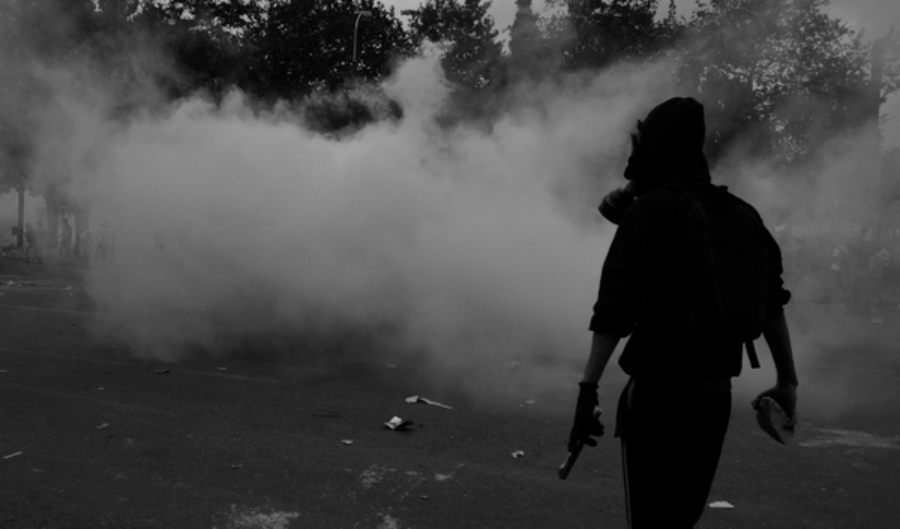
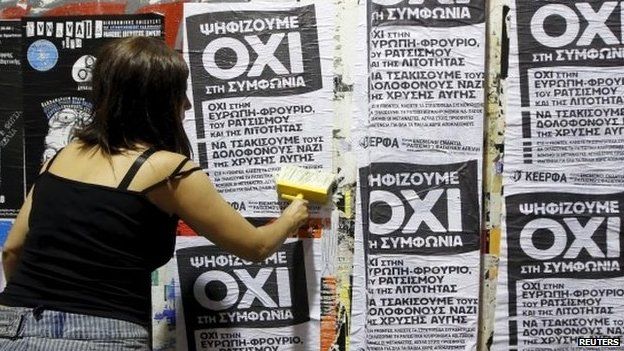
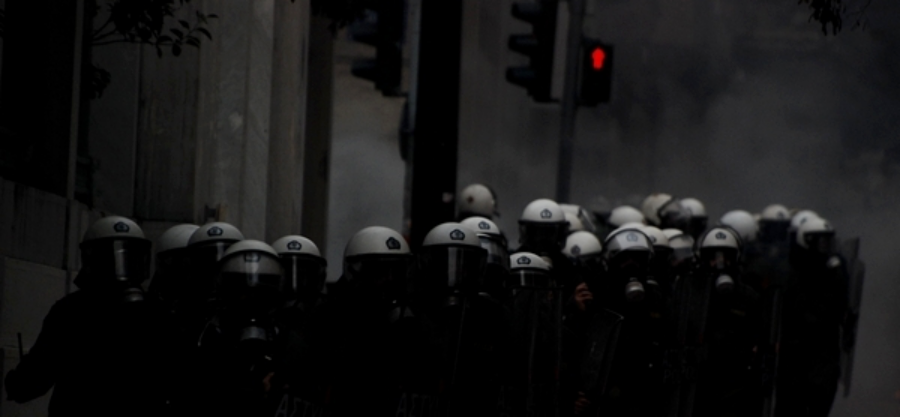
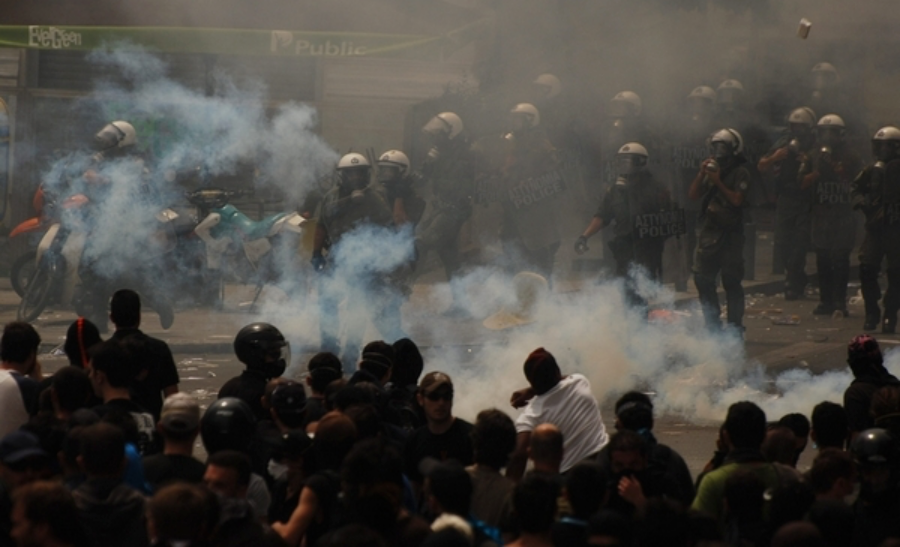
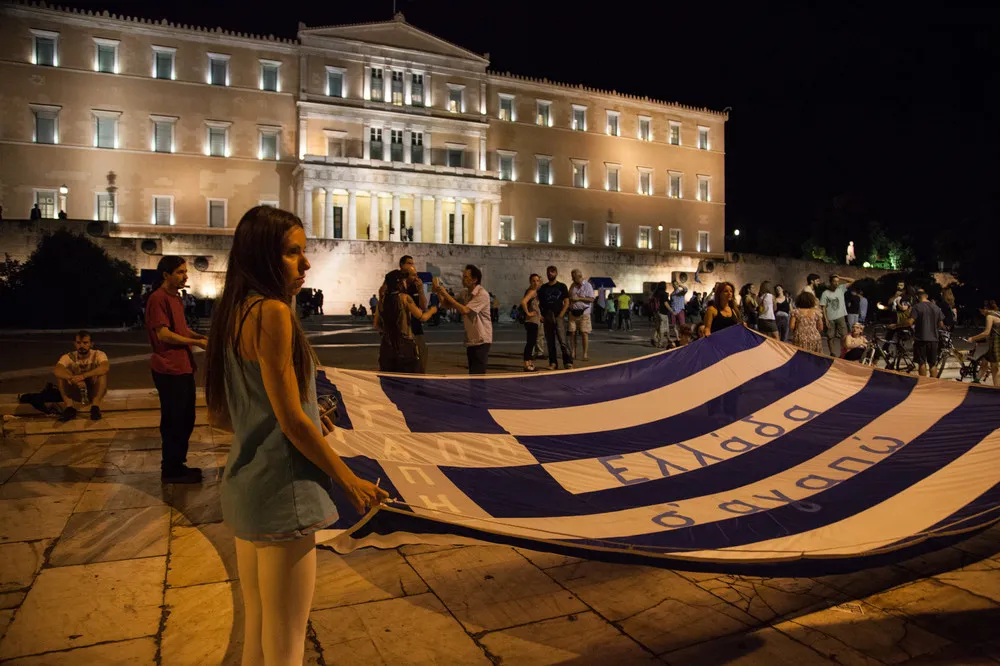
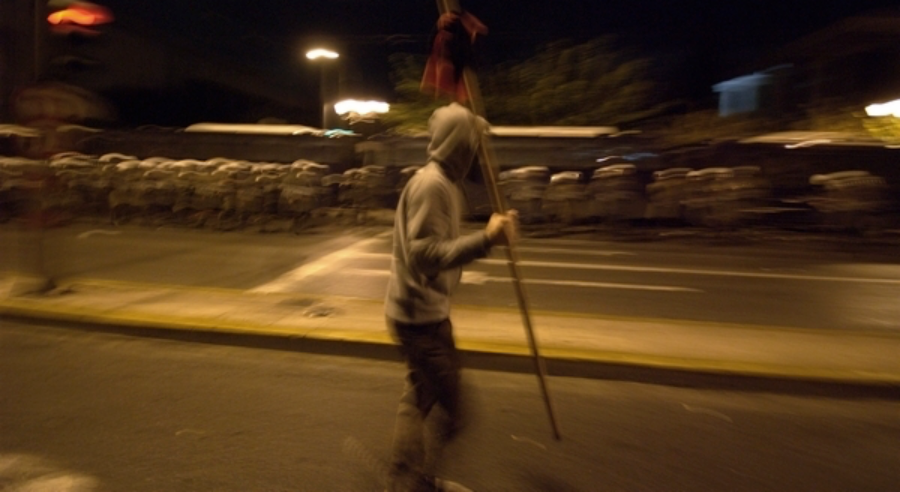
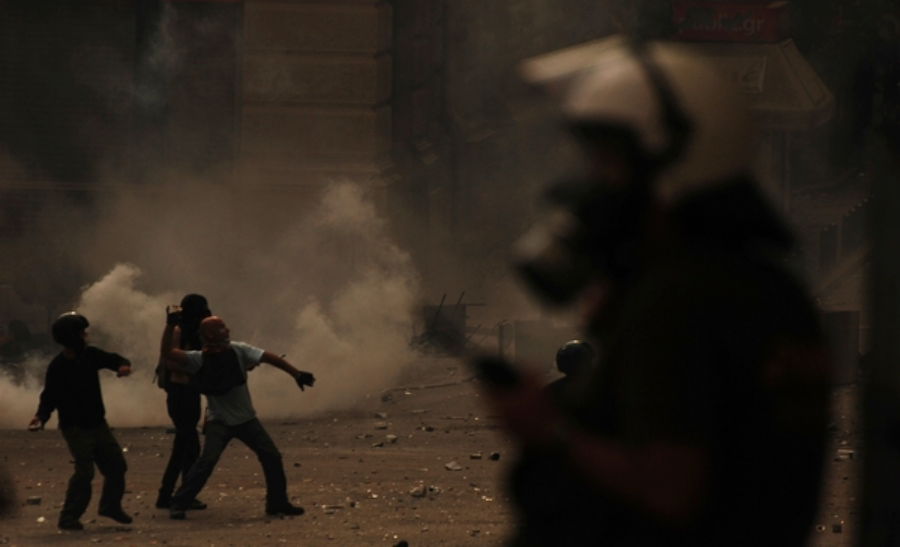
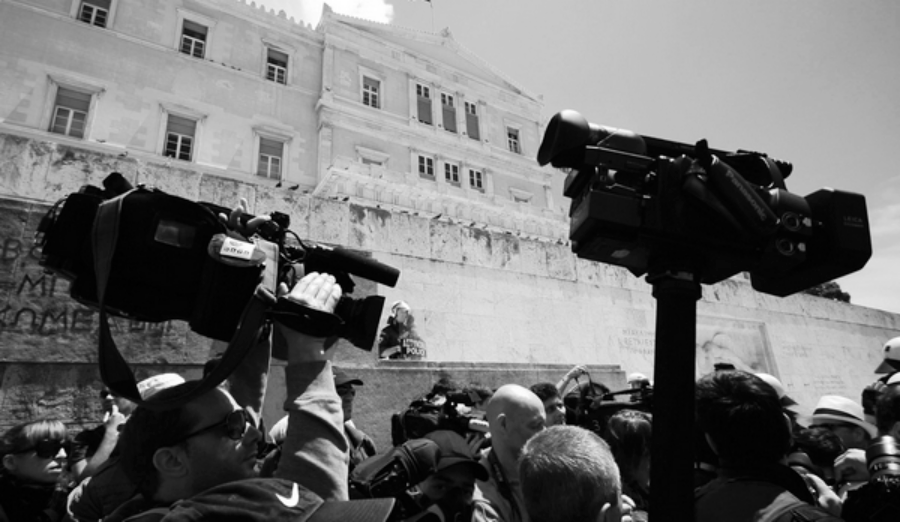
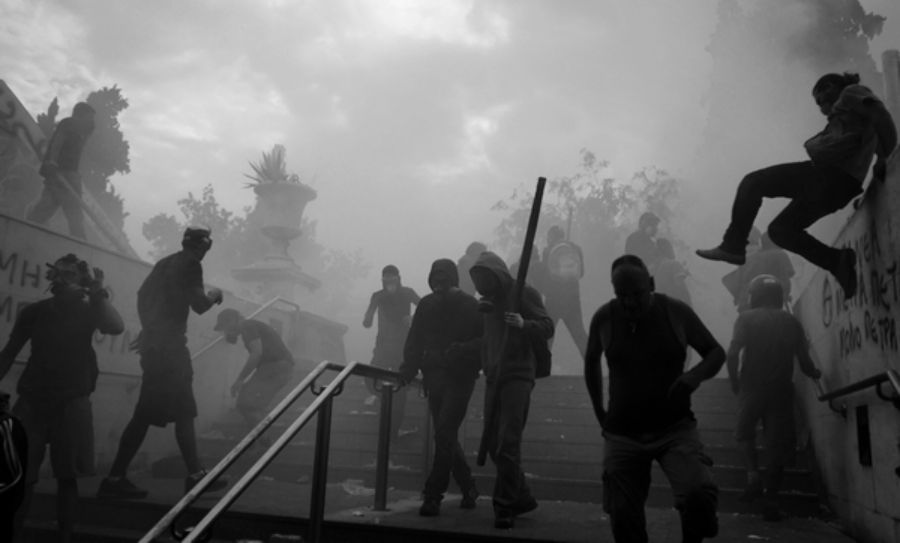
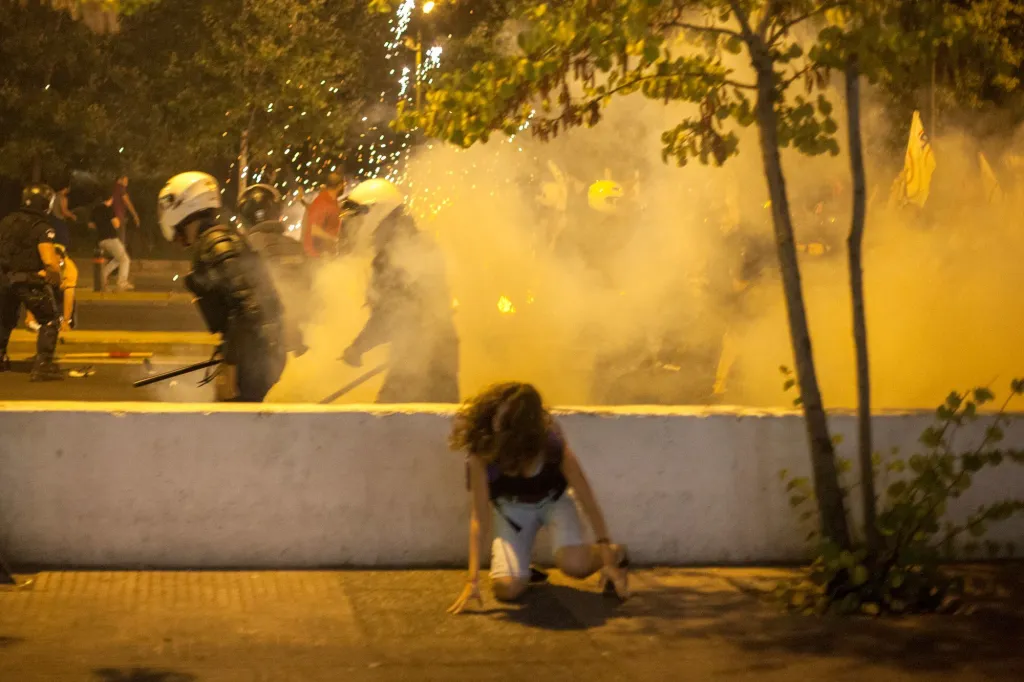
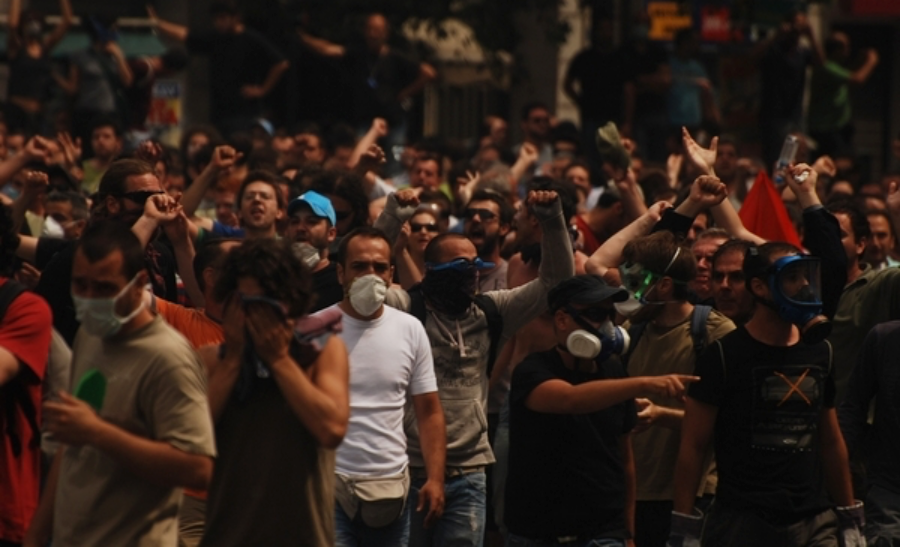
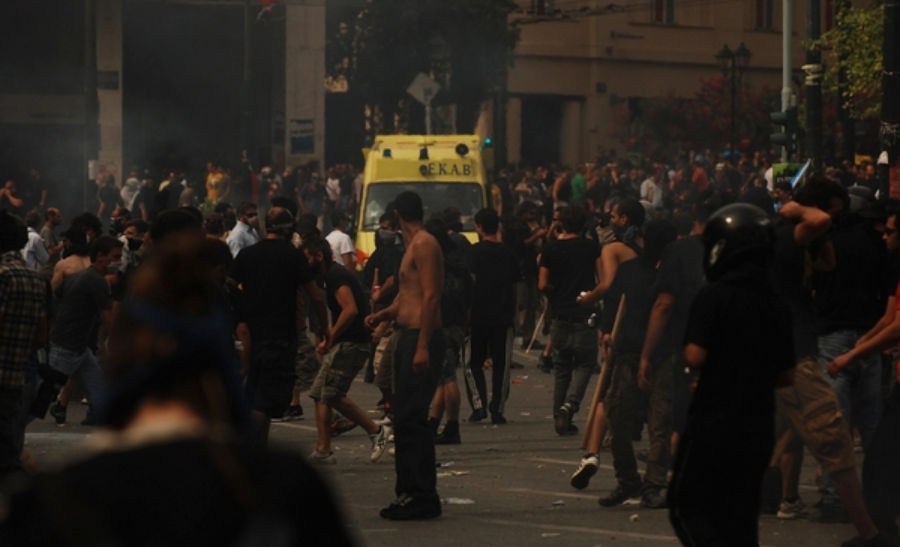
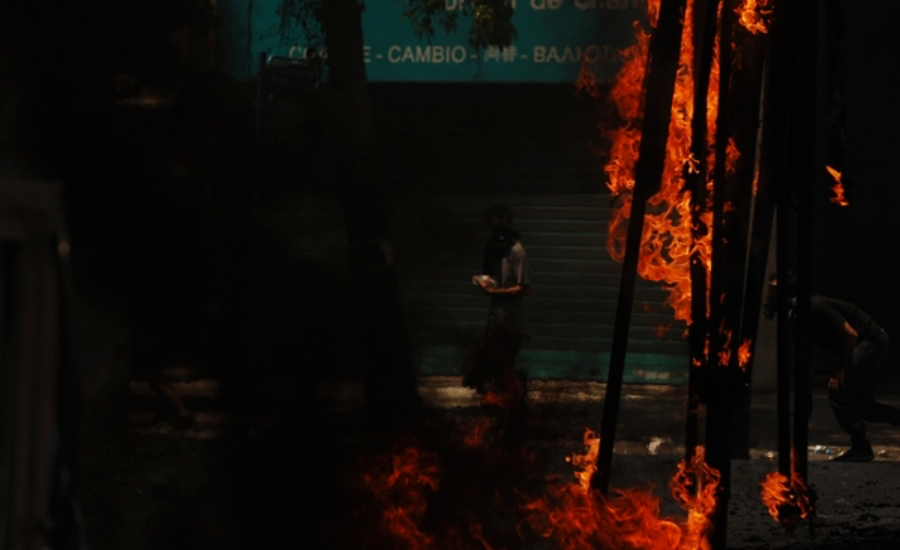
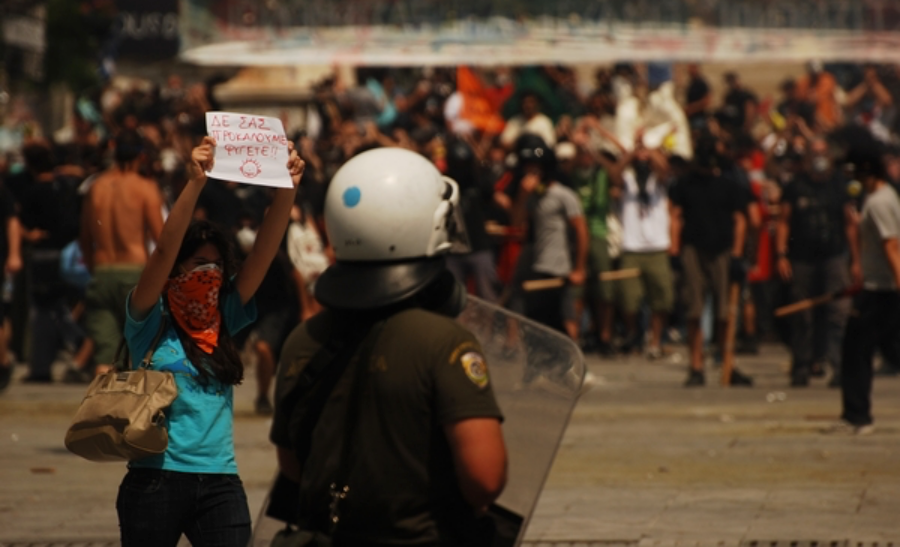
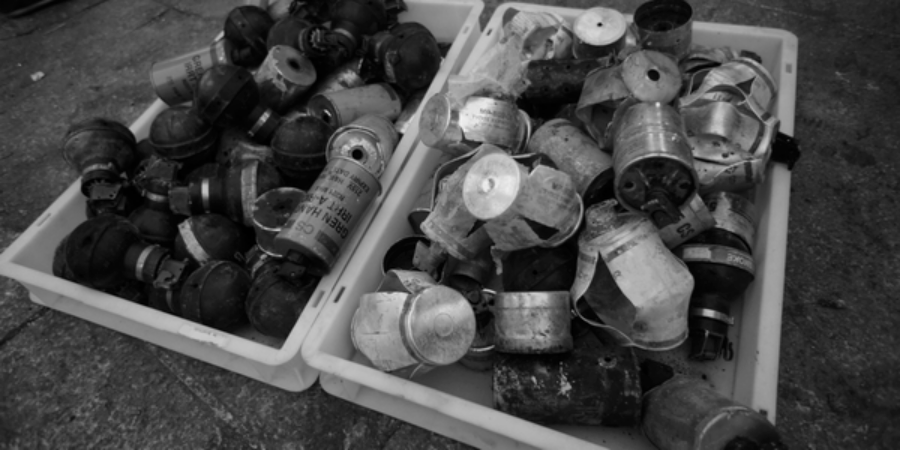
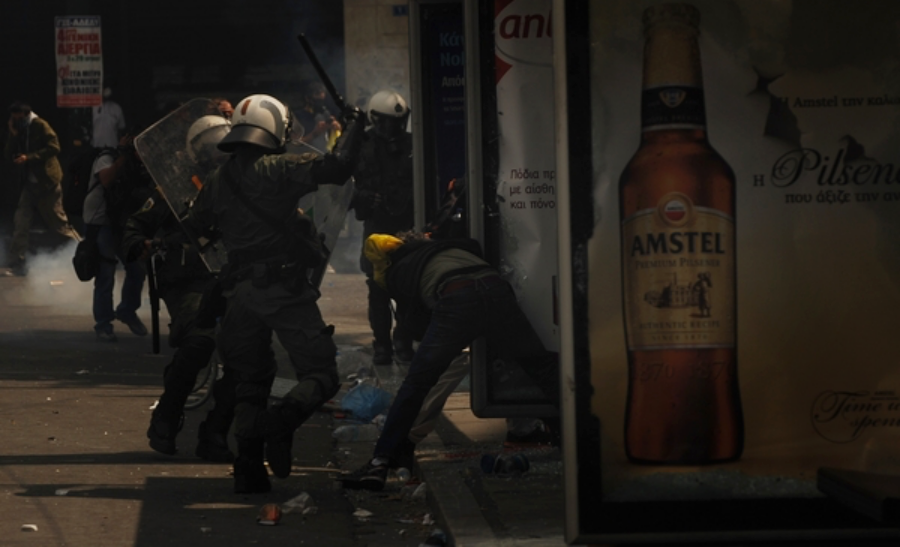
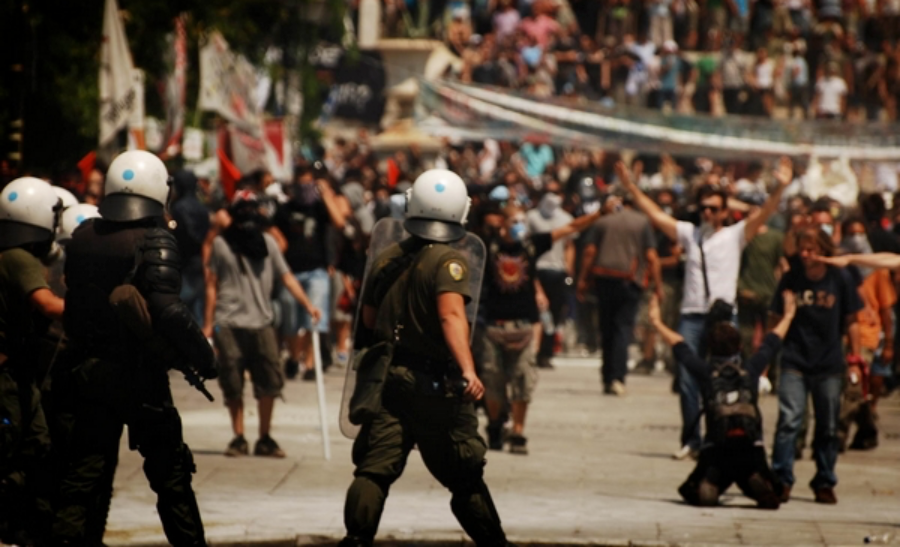
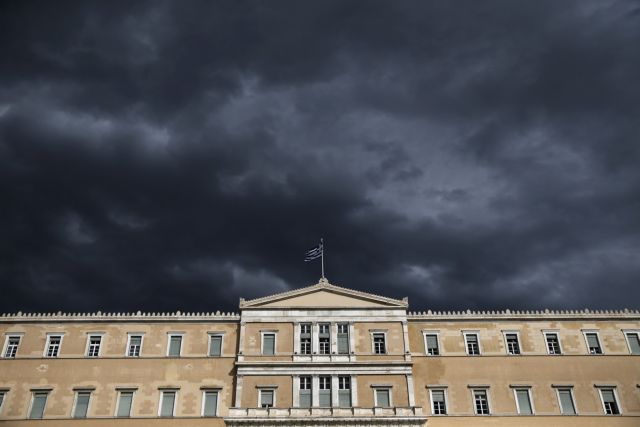
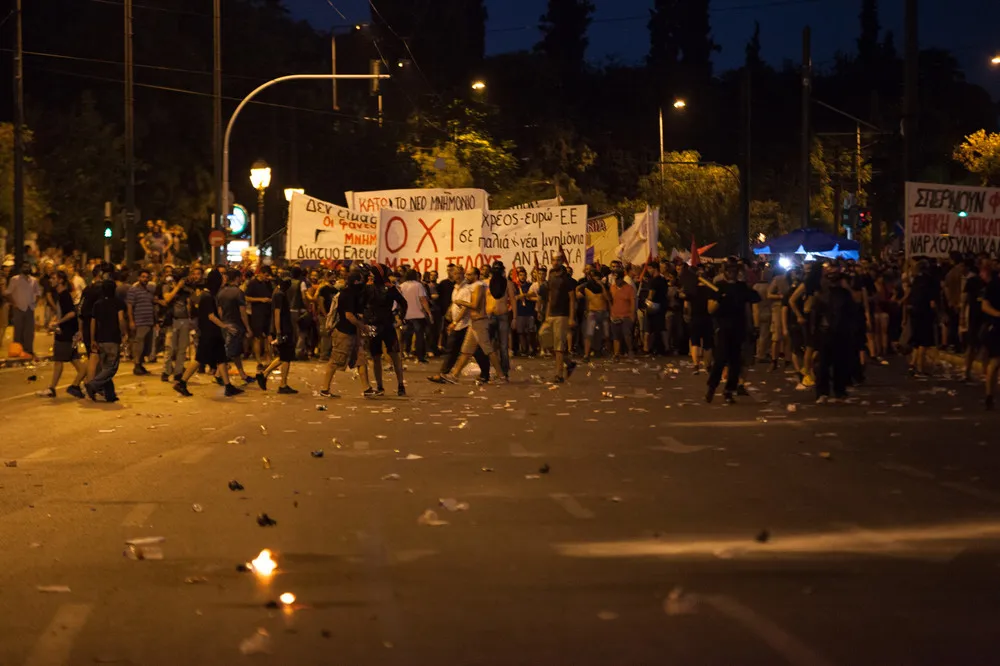
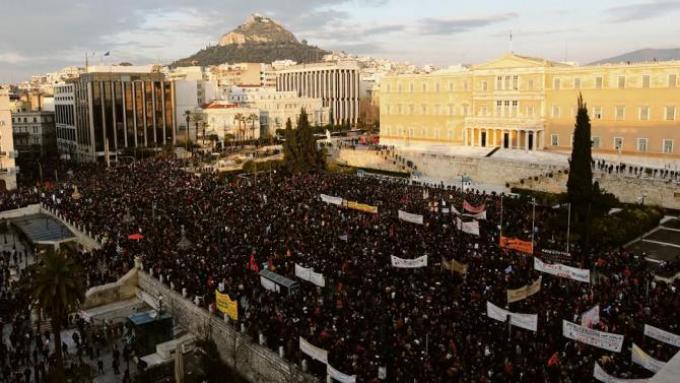
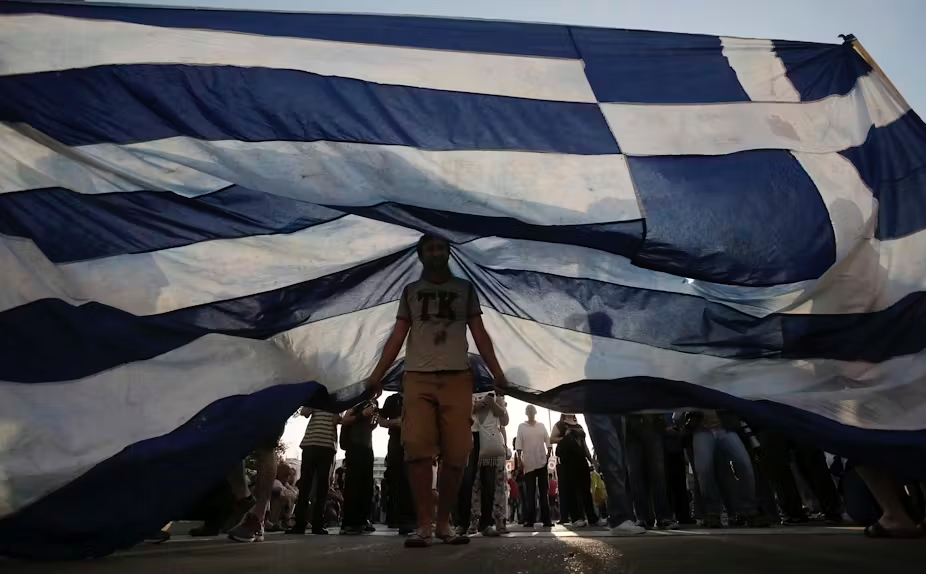
The atmosphere in cities was tense, with frequent protests, violent clashes in the streets, and an overwhelming feeling that the social fabric was unraveling. Anxiety about the future, anger at political elites, and despair over shrinking opportunities—especially among the youth—dominated daily conversations, creating a collective mood of exhaustion and mistrust that shaped the Greek psyche during those years.











































Insight Links
- The Greek Debt Crisis – Peterson Institute for International Economics
- Anti-austerity movement in Greece – Wikipedia
- Greek government-debt crisis – Wikipedia
- Greece’s Debt Crisis Timeline – Council of Foreign Relations